The Cosmetics Industry: Trends and Innovation in 2026
The cosmetics industry continues to experience unprecedented transformation as consumer demands evolve alongside scientific advancement. From ancient beauty rituals to today's sophisticated formulations, the cosmetics sector has grown into a multi-billion dollar global marketplace that touches virtually every aspect of personal care. Modern consumers expect more than superficial results-they demand transparency, efficacy, and ethical sourcing in every product they apply to their skin. This shift has prompted brands to rethink their approach to formulation, marketing, and manufacturing processes while maintaining competitive pricing and accessibility.
Understanding the Modern Cosmetics Landscape
The cosmetics market has undergone dramatic changes over the past decade, with natural and clinically-proven ingredients taking center stage. Consumers are increasingly educated about what they apply to their skin, researching active compounds and demanding scientific backing for product claims. This knowledge gap closure has forced the cosmetics industry to elevate standards across the board.
Traditional beauty products often relied on marketing mystique rather than measurable results. Today's formulations incorporate active ingredients with documented efficacy, such as botanical extracts, peptides, and naturally-derived compounds. The rise of clean beauty has particularly influenced how brands approach product development, with many companies eliminating potentially harmful ingredients while maximizing the potency of natural alternatives.
The Rise of Natural Active Ingredients
Natural ingredients have moved from niche marketing claims to essential formulation components within the cosmetics sector. Consumers recognize that nature provides powerful compounds capable of addressing specific skin concerns without relying on harsh synthetic chemicals.
Key natural actives gaining prominence include:
- Manuka oil derivatives rich in triketone compounds
- Palmarosa oil for its balancing properties
- Botanical extracts with anti-inflammatory benefits
- Plant-based alternatives to synthetic preservatives
- Mineral-based colorants and texturizers
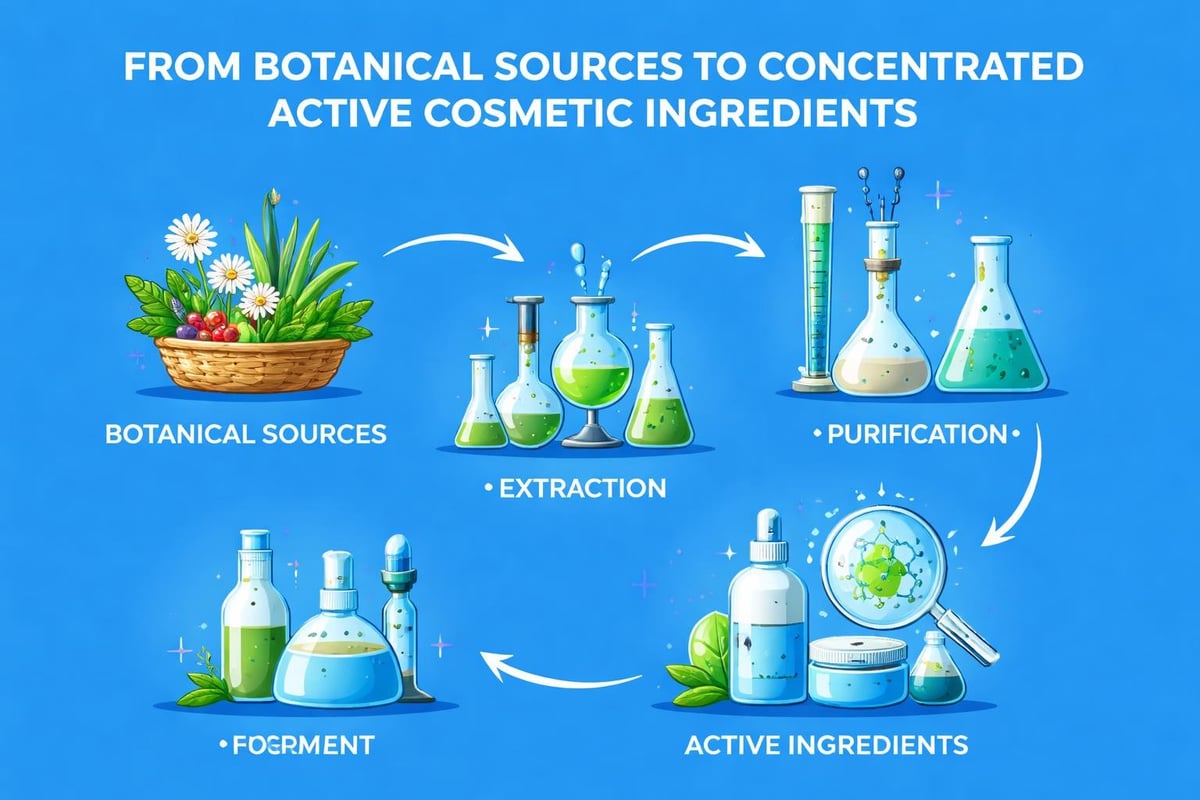
The shift toward natural formulations doesn't mean compromising effectiveness. Advanced extraction methods now isolate and concentrate active compounds from plants, creating potent ingredients that deliver clinical-level results. This scientific approach to natural cosmetics bridges the gap between traditional herbal remedies and modern dermatological science.
Regulatory Evolution Shaping the Cosmetics Industry
Government oversight of the cosmetics sector has intensified globally, with new regulations aimed at protecting consumers from potentially harmful substances. State-level regulations eliminating toxic chemicals have set precedents that influence national and international standards, pushing manufacturers toward cleaner formulations.
The regulatory landscape varies significantly across markets, creating challenges for global brands. European Union regulations remain among the strictest worldwide, banning over 1,300 ingredients from cosmetic products. The United States has traditionally maintained lighter oversight, though recent proposals for stricter testing requirements signal a shift toward enhanced consumer protection.
| Region | Banned Ingredients | Testing Requirements | Labeling Standards |
|---|---|---|---|
| European Union | 1,300+ | Mandatory safety assessments | Comprehensive INCI listings |
| United States | 30+ | Voluntary in most cases | Basic ingredient disclosure |
| Asia-Pacific | Varies by country | Increasingly stringent | Regional compliance needed |
| Latin America | Growing restrictions | Mixed requirements | Evolving standards |
These regulatory differences impact product development timelines and market entry strategies. Brands must navigate complex compliance requirements while maintaining formulation integrity across different markets, often creating region-specific variants of popular products.
Manufacturing Trends and Geographic Shifts
Despite market slowdowns, the cosmetics industry continues investing heavily in manufacturing, particularly in regions offering skilled labor and quality raw materials. France remains a cosmetics manufacturing powerhouse, while Mexico has emerged as a new paradise for cosmetics companies seeking strategic production locations.
Manufacturing location decisions increasingly consider sustainability factors alongside cost efficiency. Brands prioritize:
- Access to high-quality natural ingredients
- Skilled formulation expertise and laboratory capabilities
- Sustainable packaging options and recycling infrastructure
- Proximity to target markets for reduced carbon footprint
- Regulatory compliance support and quality assurance systems
Technology Transformation in the Cosmetics Sector
Digital innovation has revolutionized how consumers discover, evaluate, and purchase the cosmetics they use daily. AI-driven personalization and virtual try-on technologies represent just the beginning of technological integration within the beauty industry.
Artificial intelligence now powers skin analysis tools that assess individual needs and recommend targeted solutions. These technologies analyze factors like skin type, environmental exposure, lifestyle habits, and genetic predispositions to create personalized regimens. Machine learning algorithms can predict how specific ingredients will interact with different skin types, reducing trial-and-error purchasing.
Virtual reality and augmented reality applications allow consumers to test products digitally before purchasing. This technology reduces product waste and returns while improving customer satisfaction. The cosmetics industry has embraced these tools faster than many other sectors, recognizing that visual confirmation drives purchase decisions in beauty categories.
The K-Beauty Influence on Global Markets
South Korea continues shaking up the beauty market through innovative formulations and unique product concepts. K-beauty's influence extends beyond trendy packaging to substantive formulation philosophy emphasizing gentle yet effective ingredients.
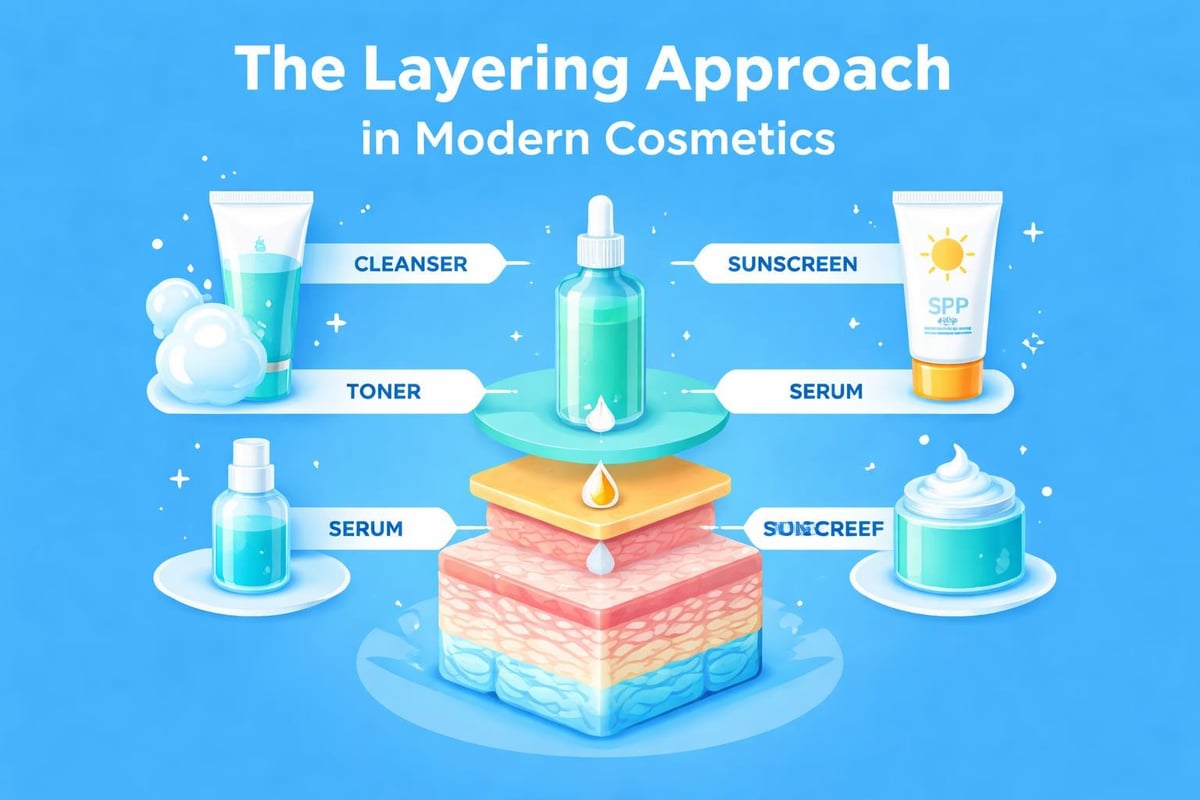
Korean cosmetics brands pioneered multi-step skincare routines that Western markets have widely adopted. Their focus on hydration, barrier protection, and preventative care has shifted global beauty conversations. The K-beauty approach emphasizes:
- Layering lightweight products for cumulative benefits
- Incorporating fermented ingredients for enhanced absorption
- Prioritizing skin health over coverage
- Using innovative delivery systems for active ingredients
- Combining traditional botanical knowledge with modern science
Addressing Specific Skin Concerns Through the Cosmetics
Modern consumers expect the cosmetics they purchase to address specific skin concerns rather than providing generic benefits. This demand has driven specialized product development targeting conditions like acne, hyperpigmentation, aging, and sensitivity.
Blemish-prone skin represents a particularly challenging concern requiring balanced formulations. Effective acne treatment must eliminate blemish-causing bacteria while maintaining skin's natural barrier function. Traditional harsh treatments often damage healthy skin tissue, creating a cycle of irritation and breakouts.
Advanced formulations now incorporate naturally antimicrobial ingredients like triketone-rich Manuka oil, which targets problematic bacteria without disrupting beneficial skin flora. When combined with balancing ingredients like Palmarosa oil, these formulations address blemishes while supporting overall skin health. This holistic approach recognizes that adult acne requires different solutions than teenage breakouts.
Clinical Testing and Evidence-Based Formulation
The cosmetics industry increasingly relies on clinical testing to validate product claims and build consumer trust. Independent laboratory testing provides objective data about ingredient efficacy, stability, and safety profiles.
Evidence-based formulation requires rigorous methodology:
- Identifying target skin concerns through dermatological research
- Selecting active ingredients with documented efficacy
- Determining optimal concentrations through stability testing
- Conducting clinical trials with diverse participant groups
- Analyzing results using statistical methods
- Refining formulations based on objective outcomes
This scientific approach distinguishes modern cosmetics from historical products that relied primarily on tradition or anecdotal evidence. Consumers can now access clinical test results demonstrating measurable improvements in specific skin parameters.
Emerging Trends Reshaping the Cosmetics Future
Current skincare trends reveal consumer preferences shifting toward innovative delivery systems and novel ingredients. Silicone patches, seaweed-based formulations, and microbiome-focused products represent the cutting edge of cosmetics development.
The microbiome revolution has fundamentally changed how formulators approach skin health. Rather than eliminating all bacteria, modern cosmetics aim to support beneficial microbial communities while targeting problematic strains. This nuanced approach yields better long-term results and fewer side effects than broad-spectrum antimicrobial treatments.
| Trend Category | Key Features | Consumer Appeal | Market Growth |
|---|---|---|---|
| Microbiome Care | Supports beneficial bacteria | Holistic skin health | Rapidly expanding |
| Waterless Formulations | Concentrated actives | Environmental sustainability | Emerging strongly |
| Adaptogenic Ingredients | Stress-response support | Wellness integration | Growing steadily |
| Biotechnology Actives | Lab-created natural compounds | Sustainable sourcing | Accelerating adoption |
Sustainability and Ethical Considerations
Environmental consciousness now drives purchasing decisions across the cosmetics category. Consumers evaluate:
- Ingredient sourcing practices and supply chain transparency
- Packaging materials and recyclability
- Carbon footprint of production and distribution
- Animal testing policies and cruelty-free certifications
- Fair trade practices and community impact
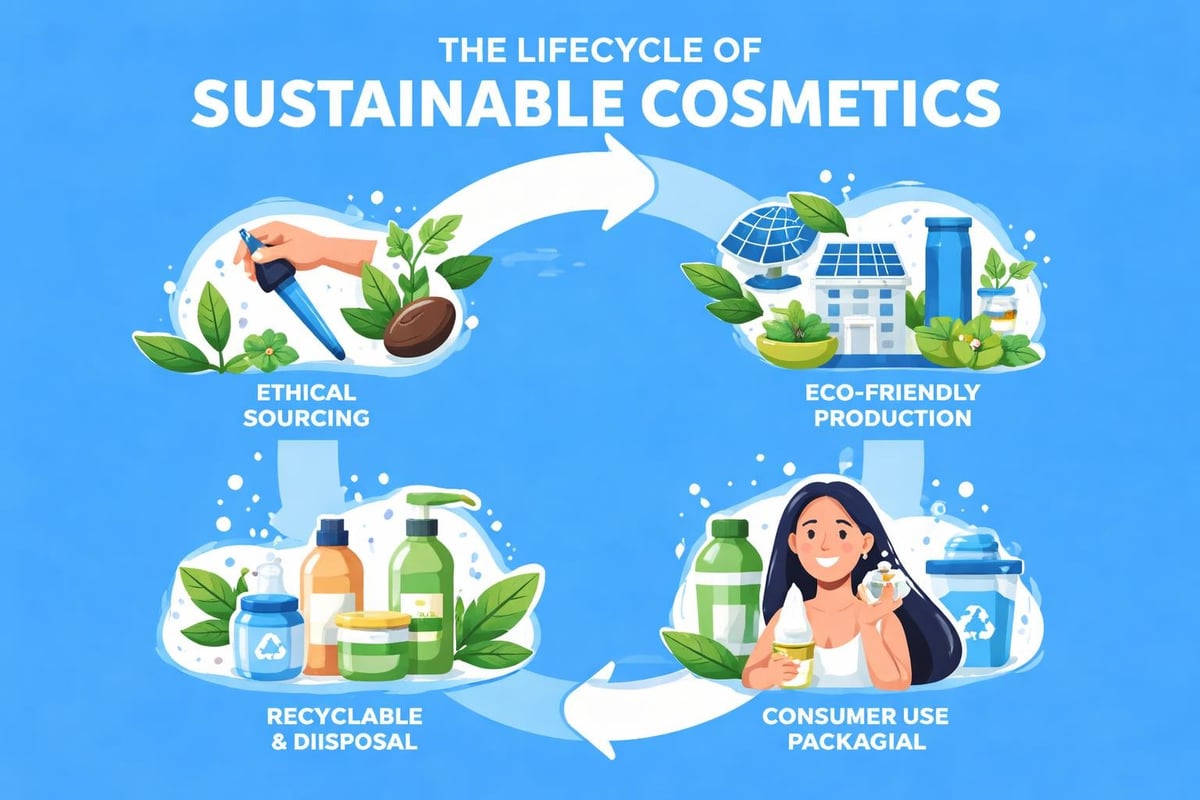
Brands respond by reformulating with sustainable ingredients, redesigning packaging, and implementing circular economy principles. The cosmetics industry recognizes that environmental responsibility isn't optional but essential for long-term viability. Companies investing in sustainable practices build stronger customer loyalty and differentiate themselves in crowded markets.
Building Complete Skincare Systems
Single-product solutions rarely address complex skin concerns effectively. The cosmetics industry increasingly develops comprehensive systems where multiple products work synergistically. Complete regimens typically include cleansing, treatment, moisturizing, and protective components.
Beauty gift sets introduce consumers to coordinated product systems, allowing them to experience the benefits of layered approaches. These curated collections demonstrate how different formulations complement each other, creating results greater than individual products achieve alone.
A comprehensive blemish treatment system might include:
- Gentle cleansing formulation removing excess oil without stripping
- Targeted treatment serum delivering concentrated actives
- Balancing moisturizer supporting barrier function
- Spot treatment for acute breakouts
Each component addresses specific aspects of the concern while supporting overall skin health. This systematic approach mirrors professional dermatological protocols, bringing clinical-level care to at-home routines.
The Science Behind Effective Cosmetics Formulation
Understanding how the cosmetics we use actually function requires examining the science of skin penetration and ingredient interaction. Active compounds must navigate the skin's protective barriers to reach target tissues, making delivery systems as important as the actives themselves.
Modern formulation science employs various strategies to enhance ingredient bioavailability. Liposomal encapsulation protects sensitive actives while facilitating cellular uptake. Molecular size optimization ensures ingredients penetrate to appropriate skin depths. pH balancing maximizes ingredient stability and efficacy.
Natural ingredients like Manuka oil derivatives present unique formulation challenges and opportunities. Triketone compounds offer powerful antimicrobial properties but require careful stabilization to maintain potency. Science-backed luxury skincare balances these technical requirements with elegant textures and sensory experiences.
Quality Control and Manufacturing Standards
The cosmetics produced today undergo rigorous quality assurance processes ensuring consistency, safety, and efficacy. Good Manufacturing Practices (GMP) establish protocols for:
- Raw material testing and verification
- Sterile production environments
- Batch consistency monitoring
- Stability testing under various conditions
- Microbiological safety confirmation
- Final product verification before release
These quality systems protect consumers while maintaining brand reputation. A single contaminated batch can damage years of carefully built trust, making stringent quality control essential for sustainable business operations.
Consumer Education and Transparent Communication
The cosmetics industry must invest in consumer education to build lasting relationships. Informed customers make better product selections, experience higher satisfaction, and become brand advocates.
Transparent communication about ingredients, sourcing, testing, and expected results sets realistic expectations. Rather than promising miraculous overnight transformations, honest brands acknowledge that effective skincare requires consistent use over time. This authenticity resonates with modern consumers tired of exaggerated claims and disappointing results.
Educational content should explain:
- How specific ingredients address target concerns
- Realistic timeframes for visible improvement
- Proper application techniques maximizing efficacy
- How products fit within broader skincare strategies
- The science supporting formulation choices
Brands offering comprehensive information about their science and nature approach demonstrate confidence in their formulations and respect for customer intelligence.
Professional Integration and Expert Recommendations
The cosmetics industry increasingly collaborates with dermatologists, aestheticians, and other skincare professionals. Professional endorsements carry significant weight with consumers seeking trusted guidance. Professional-grade products bridge the gap between over-the-counter options and prescription treatments.
Skincare professionals appreciate products backed by clinical evidence and formulated with proven ingredients. They recommend systems addressing specific concerns their clients face, from persistent acne to premature aging. Products meeting professional standards often feature higher active concentrations and more sophisticated delivery systems than mass-market alternatives.
Professional integration benefits include:
- Enhanced credibility through expert validation
- Access to specialized distribution channels
- Valuable feedback for product refinement
- Educational partnership opportunities
- Improved treatment outcomes for clients
The Future of Personalized Cosmetics
Customization represents the cosmetics industry's next frontier, with technology enabling truly personalized formulations. Genetic testing, skin microbiome analysis, and environmental exposure assessment inform custom blends addressing individual needs.
On-demand manufacturing systems can create small batches tailored to specific customers, adjusting active concentrations based on current skin conditions. This dynamic approach recognizes that skin needs fluctuate with seasons, stress levels, hormonal changes, and environmental factors.
While fully personalized cosmetics remain relatively niche, the underlying principles influence mainstream product development. Brands create modular systems allowing consumers to customize their routines by selecting appropriate combinations from curated product ranges. This semi-personalized approach balances individual customization with manufacturing efficiency.
The cosmetics industry's evolution reflects broader shifts in consumer values, scientific understanding, and technological capabilities. As we move through 2026, successful brands will continue balancing innovation with safety, efficacy with sustainability, and science with sensory appeal. For those struggling with persistent blemishes or seeking truly effective skincare solutions, Rejencia offers a super potent blemish kit featuring clinically-proven active ingredients including triketone-rich Manuka oil extracted in New Zealand and balancing Palmarosa oil. This science-backed approach delivers measurable results through four coordinated products designed to address blemish-prone skin comprehensively while supporting overall skin health and barrier function.