

Expert Guide for Your Skin: Essential Tips for 2025
Unlock your healthiest, most radiant look yet with expert insights designed for your skin in 2025. As skin care trends and science continue to evolve, understanding what truly works for your skin is more important than ever.
This comprehensive guide equips you with the latest essentials, from personalized routines to breakthrough ingredients and nutrition strategies. Discover how to protect, nourish, and transform your skin with proven advice tailored to your unique needs.
Ready to make informed choices and achieve glowing results all year? Explore the future of skin care with confidence, and take practical steps toward lasting vitality.
Understanding Your Skin in 2025
Unlocking the best results for your skin starts with understanding its unique characteristics in 2025. From advanced tech to shifting environments, your approach must evolve with the times.
Skin Types and How to Identify Yours
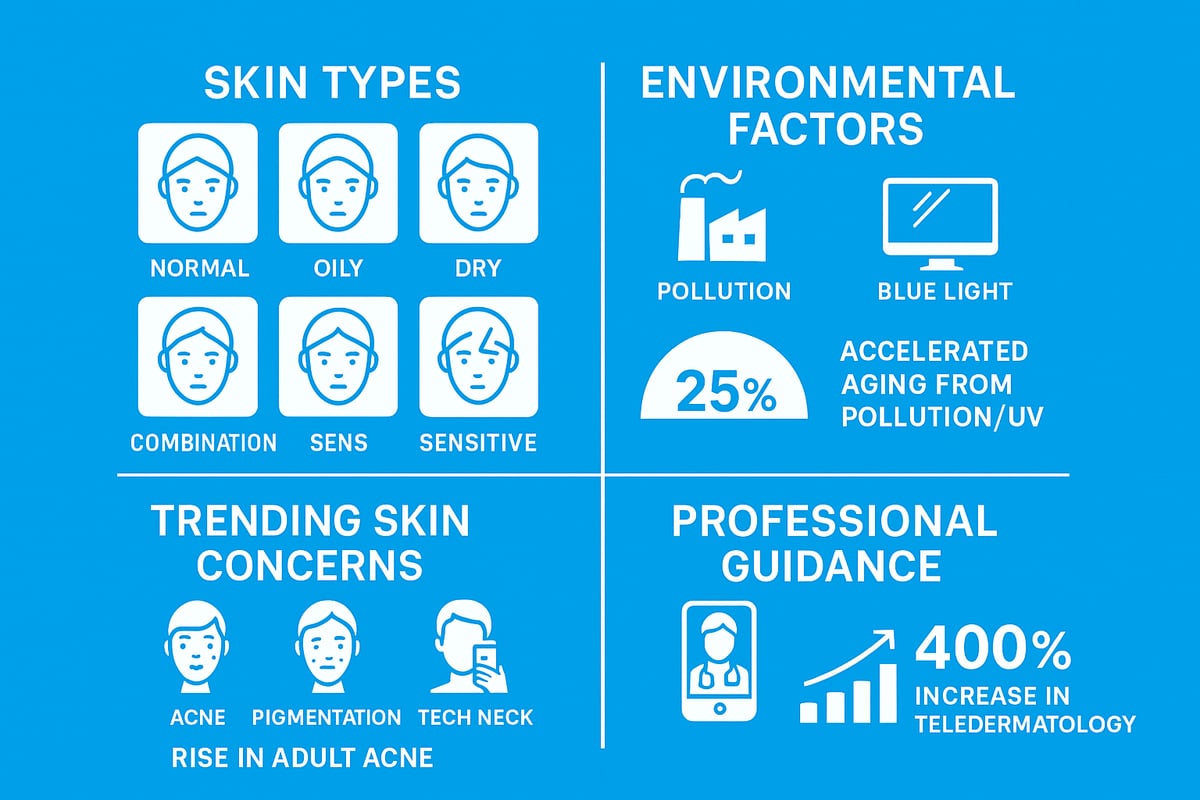
Identifying the right category for your skin is crucial for your skin to thrive. The classic types—normal, oily, dry, combination, and sensitive—are now joined by emerging subtypes as technology advances. With AI-powered skin analysis apps, you can scan your face and receive a tailored report in minutes.
Yet, over 60% of adults misclassify their skin, leading to less effective routines and wasted products. Hormonal shifts, age, or seasonal changes can cause your skin type to evolve, making regular reassessment essential. For foundational knowledge and practical tips, explore Understanding skin health basics.
The Impact of Environment and Lifestyle
Environmental stressors in 2025 play a significant role for your skin. Air pollution, climate change, and urban living expose skin to more toxins. Blue light from digital devices can accelerate aging, while lack of sleep, stress, and physical inactivity reduce skin vitality.
Urban populations now face increased skin sensitivity. Studies show that combined UV and pollution exposure can speed up visible aging by up to 25%. Adapting your routine for your skin in response to these changes is essential for long-term health.
Trends in Skin Concerns for 2025
The top concerns for your skin in 2025 include adult acne, hyperpigmentation, sensitivity, and tech neck. Prolonged mask-wearing and increased screen time have driven a 30% rise in adult acne since 2020. Inflammatory skin issues are also more common, especially in busy urban settings.
If you notice new or worsening issues, it is likely due to these modern lifestyle factors. Understanding trends helps you anticipate what your skin might face and adapt your care accordingly for your skin.
The Importance of Professional Guidance
Knowing when to seek expert advice is vital for your skin. Dermatologists and licensed estheticians provide personalized solutions, especially when at-home routines fall short. The rise of teledermatology means you can now access professional assessments from home.
Since the pandemic, digital consultations have increased by 400%. These services help create tailored plans for your skin and ensure you address concerns efficiently. Professional guidance is the smart step for your skin’s long-term health.
Building a Future-Proof Skincare Routine
Establishing a future-proof routine for your skin is essential in 2025. The landscape of skin care is evolving rapidly, and a thoughtful approach ensures you get the most out of each product and step. By understanding the basics, choosing the right products, and staying consistent, you can achieve healthier, more radiant results for your skin.
The Essential Steps: Cleanse, Treat, Moisturize, Protect
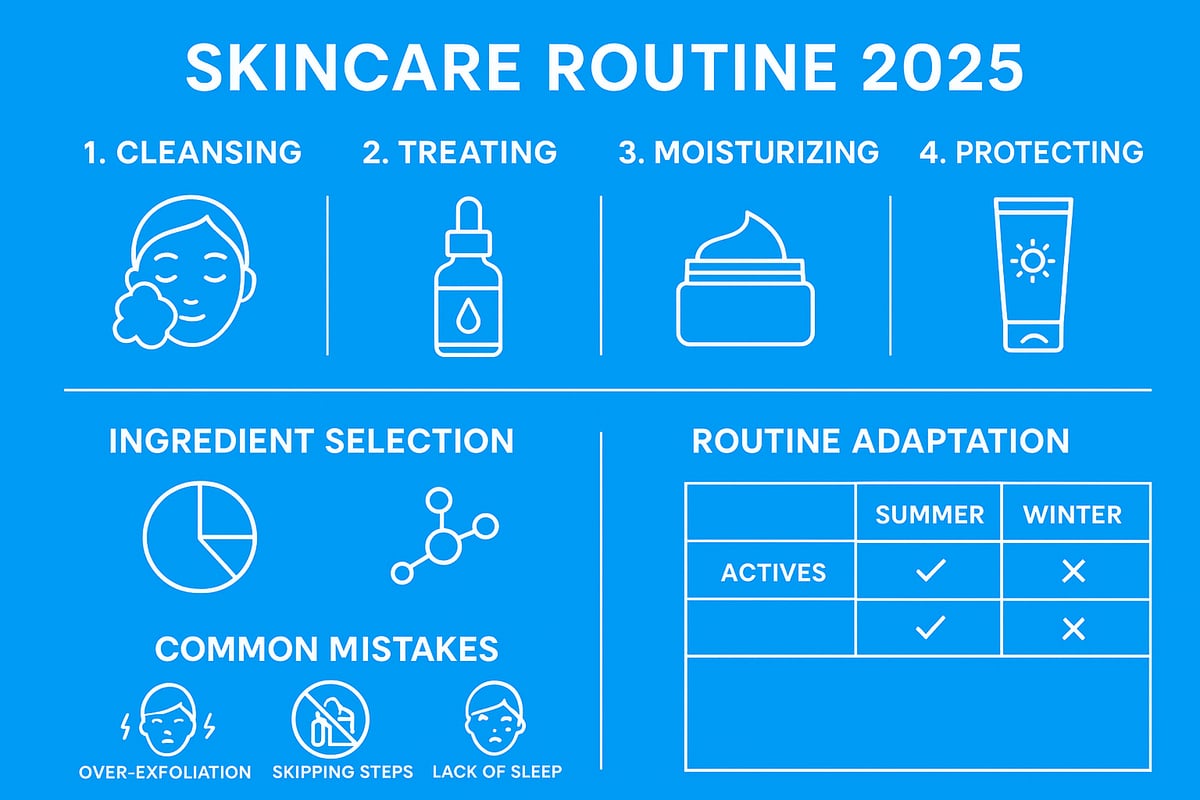
A future-proof regimen for your skin begins with a solid foundation. Every morning and evening, follow these four essential steps:
- Cleanse: Removes dirt and impurities, prepping for next steps.
- Treat: Applies serums or actives targeting specific concerns.
- Moisturize: Locks in hydration, supporting barrier function.
- Protect: Shields from environmental stressors, mainly with sunscreen.
For makeup or heavy sunscreen, double cleansing is ideal for your skin. Sticking to these steps helps maintain balance and resilience, no matter the trends.
Choosing Products for Your Skin Type and Concerns
Selecting the right products for your skin can be overwhelming with so many options in 2025. Start by reading ingredient lists and understanding what each component does. Always patch test new items to avoid irritation, especially if you have sensitive or acne-prone skin.
Look for non-comedogenic formulas if breakouts are a concern. Gradually introduce new products for your skin to gauge compatibility. For science-backed decisions, explore science-backed skincare approaches to ensure your routine is based on proven results, not just trends.
The Role of Actives: Vitamin C, Retinoids, Peptides, and More
Active ingredients are the powerhouse for your skin. Vitamin C brightens and protects, while retinoids boost cell turnover and peptides support firmness. In 2025, understanding how to layer actives safely is vital for your skin.
For example, use niacinamide with retinol to balance efficacy and minimize irritation. Introduce one new active at a time for your skin, monitoring results over several weeks before adding another.
Sample Table: How to Layer Actives
| Morning | Evening |
|---|---|
| Vitamin C | Retinoid |
| Peptides | Niacinamide |
| Hyaluronic Acid | Ceramides |
Adapting Your Routine to Seasonal and Life Changes
Your routine should evolve with the seasons and changes in your life. High humidity calls for lighter textures, while winter requires richer creams for your skin. Hormonal shifts, pregnancy, or aging may also demand adjustments.
For your skin, switch to heavier moisturizers in cold weather or add antioxidants during periods of stress. Regularly assess how your skin feels and responds, making small tweaks as needed for your skin's health.
Avoiding Common Skincare Mistakes
Mistakes can derail progress for your skin. Over-exfoliation strips the barrier, while using too many actives can cause irritation. Mixing incompatible ingredients, such as acids with retinoids, often leads to discomfort for your skin.
To minimize risk, simplify your regimen and introduce changes gradually for your skin. Always check product compatibility and listen to what your skin tells you each day.
The Power of Consistency and Patience
Consistency is the secret ingredient for your skin to thrive. Quick fixes rarely deliver lasting results, so stick with your chosen products for at least 8 to 12 weeks for your skin to show improvement.
Set realistic expectations for your skin and celebrate small milestones. Remember, the journey to healthy skin is ongoing, and patience pays off for your skin in the long run.
Breakthrough Ingredients and Innovations for 2025
Staying ahead of trends is essential for your skin in 2025. Science and nature are joining forces, bringing new ingredients and smarter routines that promise better, safer results. From microbiome-friendly formulas to AI-powered personalization, discover how the latest innovations are reshaping care for your skin.
Trending Natural and Scientific Ingredients
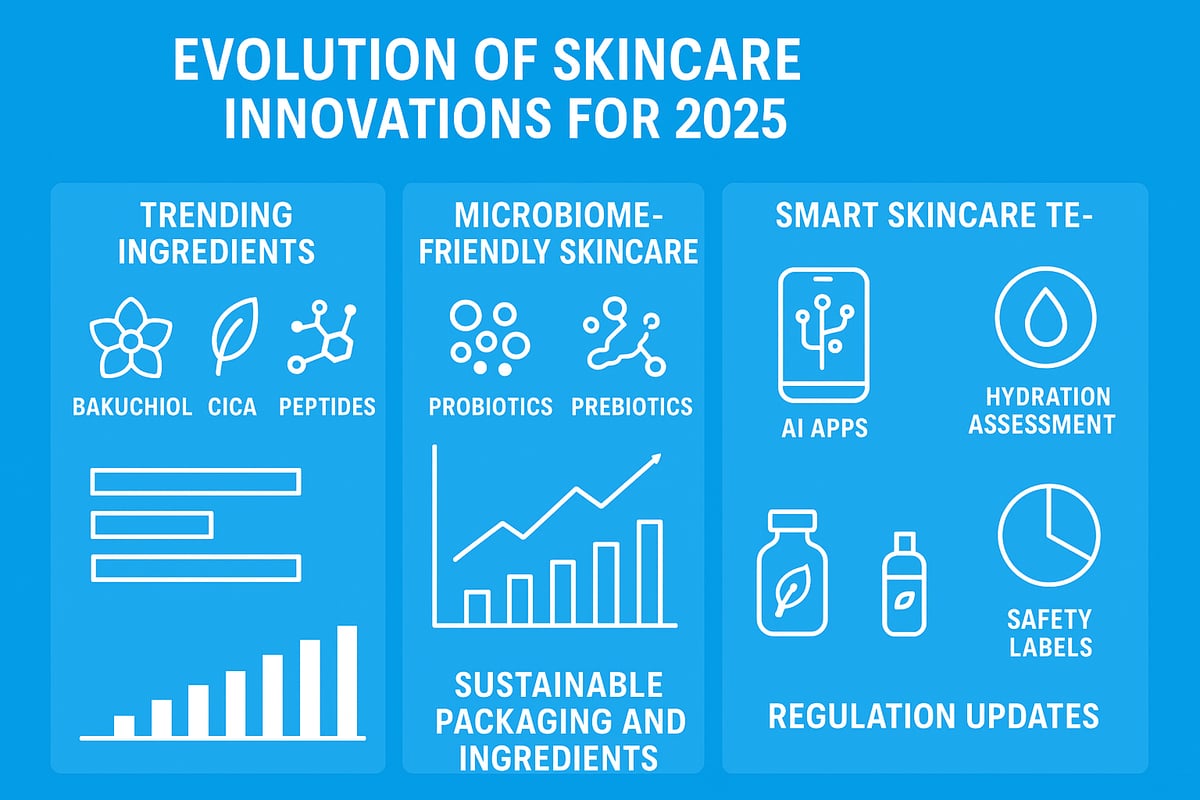
2025 is all about harnessing the best of both worlds for your skin. Natural botanicals like bakuchiol, cica, and manuka oil are gaining traction thanks to their proven calming and anti-aging effects. Clinical studies show bakuchiol can deliver similar results to retinol but with less irritation, making it a favorite for your skin.
Lab-derived actives are also advancing rapidly. Peptides and growth factors target firmness and repair, offering visible benefits for your skin. Combining these actives with natural extracts creates powerful solutions tailored for your skin’s unique needs.
- Bakuchiol: Plant-based retinol alternative
- Cica: Soothes and strengthens barrier
- Peptides: Support collagen and elasticity
Choosing innovative actives ensures long-term health for your skin.
The Rise of Microbiome-Friendly Skincare
A balanced microbiome is now a top priority for your skin. Formulations with probiotics, prebiotics, and postbiotics help maintain healthy skin flora, supporting resilience against irritation and environmental stress. Recent surveys show 78% of consumers now look for microbiome-supporting products for your skin.
Benefits of microbiome-friendly skincare for your skin:
- Enhanced barrier function
- Reduced sensitivity
- Improved hydration and glow
Brands are focusing on gentle, effective ingredients that protect beneficial bacteria for your skin’s long-term health.
Smart Skincare: Personalization Through Technology
Personalized routines are transforming care for your skin in 2025. AI-powered apps and at-home devices offer real-time skin analysis, tracking changes and recommending products tailored for your skin. Innovations such as AI-driven skin hydration assessment now allow users to evaluate hydration and barrier strength from a simple selfie.
Smart tools help you:
- Monitor skin progress over time
- Adjust routines based on data
- Receive instant feedback for your skin’s needs
Embracing tech ensures your routine evolves as your skin does.
Clean and Sustainable Formulations
Sustainability is no longer optional for your skin. Eco-friendly packaging, transparent sourcing, and ethical practices are now must-haves. Sixty percent of consumers prefer brands with strong sustainability commitments for your skin.
Key trends in sustainable skincare for your skin:
- Biodegradable packaging
- Ethically sourced ingredients
- Clear, honest labeling
Choosing clean and green solutions helps protect the planet while caring for your skin.
Safety, Efficacy, and Regulation Updates
New regulations in 2025 are raising the bar for your skin’s safety. Stricter ingredient standards and improved labeling help consumers verify claims and avoid harmful additives for your skin. The FDA has updated requirements for sunscreen filters and SPF labeling, making it easier to choose the right protection for your skin.
Tips for staying safe:
- Look for certification symbols on packaging
- Check ingredient lists for transparency
- Rely on evidence-based claims for your skin
Staying informed ensures every product you use is both safe and effective for your skin.
Nutrition and Lifestyle: The Inside-Out Approach
Unlocking radiant results for your skin requires more than the best topical products. What you consume and how you live play a crucial role in supporting healthy, resilient skin from within. By understanding the science behind diet, hydration, supplements, and habits, you can create a holistic routine for your skin that stands the test of time.
How Diet Affects Skin Health
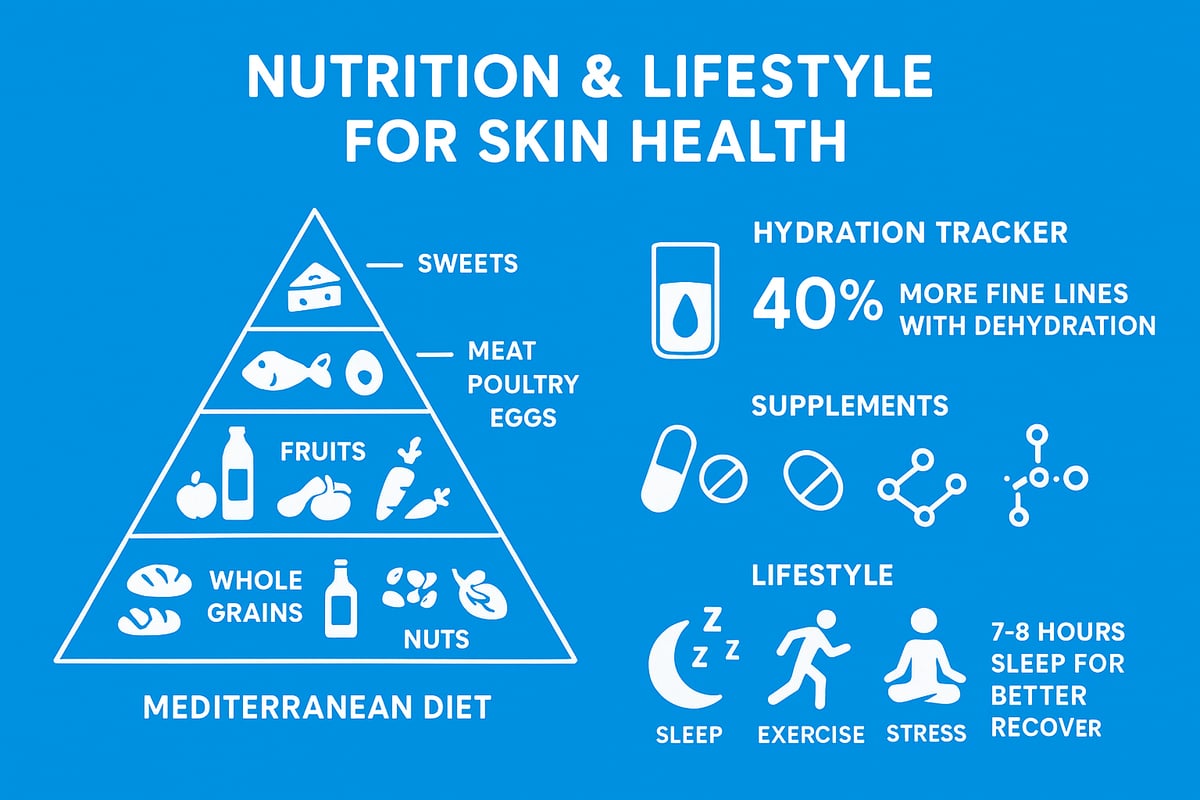
The foundation for your skin starts with what you eat. Diets rich in antioxidants, omega-3 fatty acids, and key vitamins deliver essential building blocks for your skin, helping reduce inflammation and support repair. Research shows the Mediterranean diet, with its focus on fruits, vegetables, olive oil, and fish, is associated with fewer breakouts and improved glow for your skin.
| Nutrient | Food Sources | Benefit for Your Skin |
|---|---|---|
| Vitamin C | Citrus, bell peppers | Brightness, collagen |
| Omega-3s | Salmon, walnuts | Reduced inflammation |
| Zinc | Pumpkin seeds, lentils | Acne control |
Conversely, excessive sugar and processed foods can trigger breakouts and dullness. Nourishing your body with whole foods is a proven strategy for your skin at any age.
Hydration and Its Role in Skin Function
Proper hydration is essential for your skin to maintain elasticity, barrier strength, and overall vitality. Drinking enough water helps your skin cells function optimally, while dehydration can make your skin 40% more likely to develop fine lines and rough texture.
Some believe topical hydrators alone are enough for your skin, but science confirms that internal hydration is equally important. Aim for consistent water intake throughout the day, and include water-rich foods like cucumbers and berries. Remember, true radiance for your skin comes from a balance of both internal and external hydration strategies.
The Truth About Supplements for Skin
Supplements promise quick fixes for your skin, but not all live up to their claims. Collagen, biotin, and vitamin D are popular choices, yet results vary and over-supplementation can pose risks for your skin and overall health. Always choose evidence-based options and consult with a professional before adding new supplements for your skin.
Dermatologist-recommended products are often more reliable than influencer-promoted trends. For targeted support, explore solutions for common skin concerns to make informed decisions that truly benefit your skin.
Lifestyle Habits for Healthy Skin
Your daily habits set the stage for your skin’s long-term health. Prioritizing 7–8 hours of sleep, regular exercise, and effective stress management has been linked to improved barrier recovery for your skin. Smoking and excessive alcohol, in contrast, accelerate aging and dullness.
Key habits for your skin:
- Consistent sleep schedule
- Physical activity most days
- Mindful stress reduction
- Avoiding tobacco and limiting alcohol
Small changes in your lifestyle can deliver visible, lasting improvements for your skin at any stage of life.
Sun Protection and Environmental Defense
Protecting for your skin from daily environmental challenges is essential for long-term health and radiance. In 2025, sun protection goes beyond traditional sunscreen, integrating advanced formulas and holistic defense strategies. Let us explore the cutting-edge technology, daily best practices, and smart lifestyle choices that guard for your skin against both UV rays and modern pollutants.
The Latest in Sunscreen Technology
Sunscreen innovation in 2025 is transforming protection for your skin. New UV filters target a broader spectrum, while blue light-shielding ingredients defend against digital exposure. Transparent mineral formulas now cater to all skin tones, leaving no white cast.
A standout development is encapsulation technology, which improves the stability and skin feel of SPF. This technique ensures active ingredients remain potent and comfortable throughout the day. For a deeper dive into this advancement, discover how encapsulation technology in SPF is changing the landscape of sun protection.
Choosing the right sunscreen for your skin means considering your lifestyle, skin type, and preferences. SPF 50+ daily use is shown to reduce photoaging risk by 24 percent, making it a non-negotiable step.
Best Practices for Year-Round Sun Protection
Consistent protection for your skin is crucial, no matter the season. Proper application starts with using enough product—about a teaspoon for the face and neck—and reapplying every two hours, especially after sweating or swimming.
Do not overlook areas like ears, hands, and the back of the neck. For your skin to benefit fully, apply sunscreen as the last step in your morning routine. Remember, sun protection is vital for all skin tones, since UV damage accumulates over time.
Studies reveal that 80 percent of cumulative sun damage occurs before age 18. Building strong habits early helps preserve for your skin’s health and youthful appearance.
Protecting Skin from Pollution and Digital Exposure
Environmental aggressors, like pollution and blue light, can accelerate aging and trigger sensitivity for your skin. Incorporating antioxidant serums with ingredients such as niacinamide and vitamin C helps neutralize free radicals and strengthen your skin’s barrier.
Barrier creams act as a shield against airborne particles, while blue light-blocking actives protect from everyday screen exposure. Limiting screen time and cleansing thoroughly at night further safeguard for your skin from digital and urban stressors.
Adapting your routine to include these protective steps ensures for your skin remains resilient in the face of modern challenges.
Clothing, Accessories, and Lifestyle Adjustments
Physical barriers provide an extra layer of defense for your skin. UPF-rated clothing, wide-brimmed hats, and UV-blocking sunglasses are effective tools for reducing sun exposure. Planning outdoor activities outside peak UV hours also minimizes risk.
UPF 50 fabrics can block up to 98 percent of UV rays, offering reliable protection for your skin during extended time outdoors. These lifestyle adjustments, combined with diligent product use, empower you to maintain healthy, vibrant skin year-round.
By integrating advanced products and smart habits, you create a comprehensive shield for your skin against both sun and environmental threats.
Expert Tips and Advanced Strategies for Every Age
Caring for your skin is a lifelong journey, and expert guidance matters at every stage. Tailoring routines for your skin’s changing needs ensures you address concerns early, prevent damage, and maintain a healthy glow. Explore these advanced strategies for your skin, customized for every decade and common condition.
Skincare in Your 20s and 30s: Prevention and Maintenance
Building a solid foundation for your skin in your 20s and 30s sets the stage for lifelong health. Focus on gentle cleansing, daily SPF, and lightweight hydration to prevent early signs of aging and environmental stress. For your skin, start using antioxidants and avoid harsh scrubs that can disrupt your barrier.
Adult acne is on the rise, affecting half of women in their 20s. Breakouts can be persistent, so choose non-comedogenic products and look for ingredients like niacinamide and salicylic acid. If you want to understand triggers and effective solutions, this Adult acne causes and solutions guide offers in-depth insights. Consistency and early intervention keep your complexion balanced and resilient.
Skincare in Your 40s and 50s: Repair and Renewal
Entering your 40s and 50s, collagen loss and pigmentation become central concerns for your skin. Prioritize targeted actives like retinoids, peptides, and vitamin C to support renewal and combat dullness. Night creams with peptides can aid overnight repair and enhance elasticity.
For your skin, select moisturizers with ceramides and hyaluronic acid to address dryness and strengthen the barrier. Gentle exfoliation, once or twice a week, helps cell turnover without irritation. If you notice persistent spots or sagging, consult a dermatologist for tailored in-office treatments. Proactive care in these decades yields visible improvements and long-term benefits.
Mature Skin: Support, Comfort, and Radiance
As skin matures, it often becomes drier, thinner, and more sensitive. For your skin at this stage, focus on comfort and barrier support. Choose rich, nourishing creams rich in ceramides, cholesterol, and fatty acids, which replenish lost lipids and reduce irritation.
Hydrating serums with glycerin or squalane add plumpness and soothe discomfort. Avoid harsh actives unless recommended by a professional. For your skin, layering hydration and using gentle, fragrance-free products help maintain radiance and resilience. Regular check-ins with a skincare expert ensure your routine adapts to shifting needs.
Managing Common Skin Conditions
For your skin, addressing chronic issues like acne, rosacea, eczema, and hyperpigmentation requires targeted strategies. Gentle cleansers and fragrance-free moisturizers calm inflamed or sensitive areas. Table: Common conditions and recommended approaches.
| Condition | Strategy for Your Skin |
|---|---|
| Acne | Salicylic acid, benzoyl peroxide, avoid pore-clogging oils |
| Rosacea | Azelaic acid, avoid heat/spicy foods, gentle care |
| Eczema | Ceramide creams, minimal ingredients, avoid triggers |
| Hyperpigmentation | Vitamin C, SPF, avoid picking at skin |
Professional guidance is vital for your skin when over-the-counter options fall short. Early intervention reduces flare-ups and supports lasting results.
The Role of Professional Treatments
Professional treatments offer advanced solutions for your skin, especially when home care reaches its limits. Chemical peels, microneedling, and fractional lasers can target pigmentation, texture, and fine lines with precision. Always seek licensed providers for these procedures to ensure safety and efficacy.
For your skin, in-office treatments can complement a robust at-home regimen and accelerate visible improvements. Ask your dermatologist which procedures align with your current needs and skin type. Combining professional care with daily maintenance creates a powerful synergy for your skin’s health.
Navigating Trends and Social Media Advice
With so much online information, discerning what truly works for your skin is essential. Viral trends like “skin cycling” or “slugging” may not suit everyone. Always check if techniques are backed by science and fit for your skin type.
For your skin, prioritize evidence-based routines over hype. If a new trend seems promising, consult a dermatologist before trying it. Remember, what is popular on social media is not always right for your skin. Staying informed and cautious helps you avoid costly mistakes and irritation.
Frequently Asked Questions About Skin Care in 2025
How Often Should I Change My Skincare Routine?
Updating your routine for your skin is essential as your needs evolve. Signs that it is time to adjust include increased dryness, breakouts, or sensitivity. Seasonal changes, hormonal shifts, and new environmental exposures can all impact your skin’s requirements.
A practical example is switching cleansers or moisturizers when the weather changes from humid to dry. If you notice products are no longer effective, or your skin feels uncomfortable, consider a review. Remember, gradual changes are best for your skin to avoid irritation.
Are Natural or Synthetic Ingredients Better?
Choosing between natural and synthetic ingredients for your skin depends on safety, efficacy, and your unique sensitivities. Both categories can offer benefits or cause irritation, so it is vital to read labels and research claims. Not all natural ingredients are gentle, and not all synthetics are harsh.
For example, some pollutants can negatively affect skin health, as explored in this major French study on the impact of pollutants on skin health. Always look for certifications and avoid greenwashing. Remember, what works for your skin may differ from trends or marketing.
What Should I Do if I Have a Skin Reaction?
Experiencing a reaction can be alarming, but there are steps you can take for your skin’s comfort and recovery. First, discontinue any new product immediately. Rinse your face with cool water and apply a gentle, fragrance-free moisturizer.
Common triggers include actives, fragrances, or overuse of exfoliants. Patch testing new products is a smart prevention strategy for your skin. If redness, swelling, or discomfort persists, seek professional advice to avoid worsening the reaction.
Can I Combine Multiple Active Ingredients?
Combining actives for your skin can enhance results, but some pairings require caution. Safe combinations include vitamin C in the morning and retinoids at night, or layering niacinamide with most actives. However, mixing acids and retinoids at the same time can cause irritation.
To avoid problems, introduce new actives one at a time and monitor how your skin responds. A balanced approach ensures your routine is effective and safe for your skin over time.
Glossary of Key Skincare Terms for 2025
Understanding the latest terminology is essential for your skin care success in 2025. This glossary offers a clear, concise reference to help you decode labels, routines, and ingredient lists for your skin. Keep this guide handy as you navigate the evolving world of skin health.
Glossary Table: Key Terms for Your Skin in 2025
| Term | Definition |
|---|---|
| Microbiome | The community of beneficial microorganisms living on your skin, crucial for your skin balance and resilience. |
| Peptides | Short chains of amino acids that signal your skin to produce collagen, aiding firmness and repair. |
| Actives | Potent ingredients like vitamin C, retinoids, or niacinamide, directly targeting concerns for your skin. |
| Blue Light | High-energy visible light from screens and devices, associated with premature aging and pigmentation. |
| Barrier Function | The skin’s natural defense system, keeping moisture in and irritants out for your skin health. |
| UPF Clothing | Apparel certified to block ultraviolet rays for your skin protection; UPF 50 fabric blocks 98% of UV rays. |
| Sustainable Sunscreen | Modern formulas that shield your skin and the environment, such as pollen-based eco-friendly sunscreen options. |
| Slugging | Sealing in moisture for your skin overnight using an occlusive product, often petroleum jelly. |
Example:
Slugging is a trending technique for your skin, where you apply a thick, occlusive layer as the last step of your nighttime routine. This helps lock in hydration and supports your skin barrier, especially in dry or sensitive conditions.
With this glossary, you can better interpret product claims, select actives, and build routines tailored for your skin in 2025.
As you’ve seen throughout this guide, the right knowledge and tailored routines can truly transform your skin—especially when you combine expert insights with breakthrough ingredients. If you’re ready to take the next step toward clearer, more radiant skin in 2025, consider a solution crafted with science in mind. Our blemish kit features a potent blend of Manuka oil from New Zealand and Palmarosa oil, harnessing the unique benefits of triketone for visible results. Your healthiest skin is within reach—discover what targeted care can do for you and Buy now.