

7 Expert-Backed Tips to Boost Skin Health in 2025
The spotlight on skin health has never been brighter as we enter 2025. With new research and innovative products changing the way we care for our skin, awareness is at an all-time high.
In this article, discover seven expert-backed tips designed to help you achieve radiant, resilient skin in the year ahead. You will gain actionable strategies, the latest scientific insights, and practical advice from leading dermatology professionals.
From daily sun protection to nourishing diets and personalized skincare routines, these evidence-based solutions promise real results. Ready to transform your skin health? Let’s explore the proven methods that work.
The Science of Skin Health in 2025
Understanding the science behind skin health is crucial as we move into 2025. Scientific insights help us make informed choices and adapt to emerging challenges. Let’s explore how your skin works, the obstacles it faces, and the latest advances that support lasting skin vitality.
Understanding Skin Structure and Function
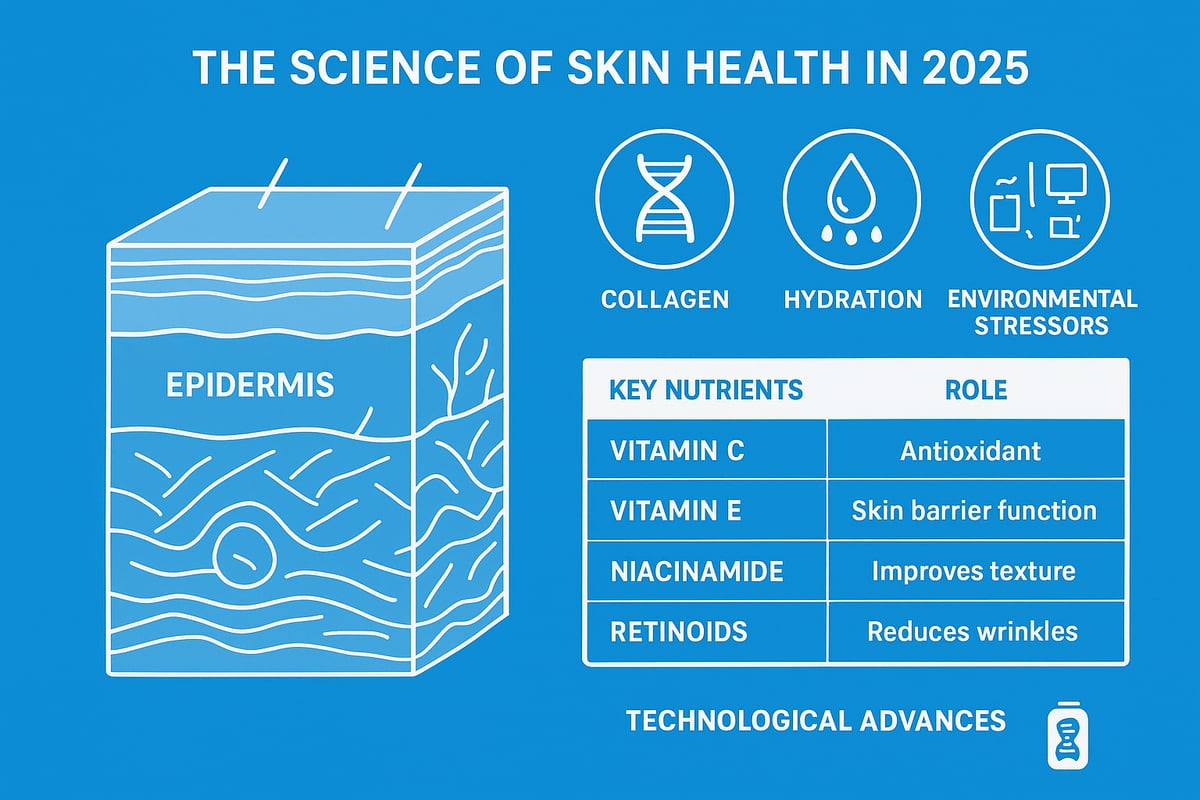
The skin is a complex organ made up of two main layers: the epidermis and the dermis. The epidermis provides a frontline barrier, while the dermis contains collagen and elastin for strength and elasticity. Keratinocytes in the epidermis are essential for renewal and defense.
This barrier function shields the body from pathogens and moisture loss. Hydration is vital, supported by lipid layers that give skin its supple appearance. Environmental factors, such as pollution and UV rays, can disrupt these processes and affect skin health. For a deeper dive, explore the science behind healthy skin.
Key Challenges Facing Skin in 2025
Skin health in 2025 faces more threats than ever before. Pollution and increased UV exposure accelerate oxidative stress, while climate change brings unpredictable environmental shifts. Blue light from digital devices has emerged as a new aging factor, leading to pigmentation and premature wrinkles.
Stress continues to trigger flare-ups like acne and dermatitis. Recent statistics reveal a rise in skin cancer rates and earlier signs of aging. These challenges demand proactive measures to protect and maintain skin health.
The Role of Nutrition and Lifestyle
Nutrition and lifestyle play a direct role in skin health. Macronutrients, like proteins and healthy fats, support cell repair and barrier strength. Key micronutrients—vitamins A, C, D, E, zinc, and omega-3 fatty acids—are vital for skin resilience and glow.
Healthy habits, including quality sleep, stress management, and regular hydration, enhance the skin’s natural defenses. Studies show that a Mediterranean-style diet, rich in antioxidants, correlates with improved skin health and reduced inflammation.
| Nutrient | Role in Skin Health | Food Sources |
|---|---|---|
| Vitamin C | Collagen production, repair | Citrus, berries |
| Omega-3 Fatty Acids | Anti-inflammatory, barrier | Salmon, flaxseed |
| Zinc | Healing, immunity | Nuts, legumes |
Advances in Topical and Oral Skin Care
Innovations in skin health are transforming care routines. New formulations deliver active ingredients deeper, including retinoids, peptides, and antioxidants. Personalized skincare, guided by DNA and microbiome analysis, tailors products to individual needs.
Natural and clean beauty trends are rising, with more consumers seeking gentle, effective solutions. The synergy between topical products and dietary choices is now recognized as essential for comprehensive skin health. These advances empower users to achieve visible, lasting results.
7 Expert-Backed Tips to Boost Skin Health in 2025
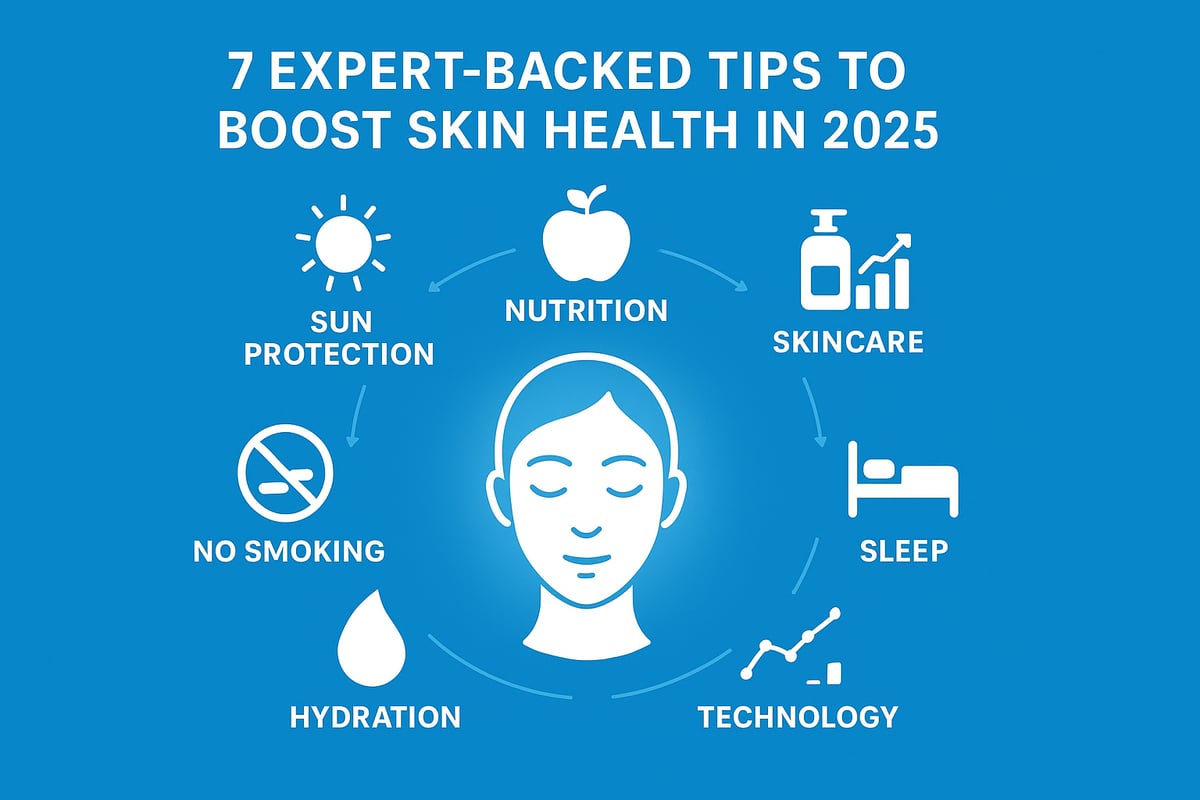
Unlocking vibrant, resilient skin health in 2025 means embracing a holistic approach, guided by the latest science and expert advice. Below, discover seven actionable tips that will help you achieve and maintain your healthiest skin yet. Each recommendation is rooted in proven research and tailored for the unique challenges and innovations of the year ahead.
1. Protect Your Skin from the Sun Every Day
Sun protection is the cornerstone of long-term skin health. Daily exposure to ultraviolet (UV) rays, even on cloudy days, can accelerate skin aging and increase the risk of skin cancer. Consistent use of a broad-spectrum sunscreen with SPF 30 or higher, as recommended by the Mayo Clinic, is essential for everyone.
Apply sunscreen generously to all exposed areas, and remember to reapply every two hours, particularly after swimming or sweating. Protective clothing, wide-brimmed hats, and sunglasses offer additional defense. Seek shade during peak UV hours, typically between 10 a.m. and 4 p.m., to minimize cumulative exposure.
Recent advancements in sunscreen technology have introduced both mineral and chemical options, each with unique benefits. Mineral sunscreens, containing zinc oxide or titanium dioxide, are often recommended for sensitive skin and provide immediate protection. Chemical sunscreens absorb UV rays and may offer a lighter finish. In 2025, formulas increasingly include blue light protection, targeting the effects of digital screens on skin health.
Data shows that diligent sun protection reduces the risk of skin cancer and slows the development of wrinkles and pigmentation. Experts emphasize that cumulative sun exposure is a leading cause of premature aging, making daily habits crucial for preserving skin health.
Remember, sun safety is a year-round priority, not just a summer concern. By integrating these practices into your daily routine, you safeguard your skin’s health and appearance for years to come.
2. Nourish Your Skin with a Balanced, Antioxidant-Rich Diet
What you eat directly impacts your skin health. A diet rich in fruits, vegetables, whole grains, lean proteins, and healthy fats provides the building blocks for radiant, resilient skin. Key micronutrients—such as vitamins C, E, A, zinc, selenium, and omega-3 fatty acids—support collagen synthesis, combat oxidative stress, and maintain the skin barrier.
Hydration plays a pivotal role. Drinking enough water ensures your skin remains plump and elastic. Limiting processed foods, added sugars, and high-glycemic carbohydrates can reduce inflammation and prevent breakouts. The Mediterranean diet, celebrated for its emphasis on plant-based foods, olive oil, and fish, is linked to improved skin clarity and reduced signs of aging.
Clinical studies have shown that increased antioxidant intake correlates with stronger skin barrier function and fewer wrinkles. For a deeper dive into the connection between nutrition and glowing skin, explore Inner radiance and nutrition.
By making conscious food choices and staying hydrated, you empower your body to support optimal skin health from within. Consistency is key—your skin reflects your daily habits over time.
3. Establish a Gentle, Consistent Skincare Routine
Consistency is vital for lasting skin health. Start with a daily cleansing routine using mild, non-stripping cleansers that remove dirt and excess oil without compromising the skin barrier. Choose moisturizers tailored to your skin type—whether dry, oily, sensitive, or combination—to ensure adequate hydration and balance.
Avoid harsh scrubs or over-washing, which can weaken your skin's protective layer and trigger irritation. When shaving, do so after bathing, use a sharp razor, and shave in the direction of hair growth to minimize microtears. After cleansing or bathing, gently pat your skin dry and apply moisturizer while your skin is still damp to lock in hydration.
Mayo Clinic experts recommend a gentle approach to daily care, highlighting the importance of barrier repair in building resilience against environmental stressors. A consistent routine not only improves texture and tone but also enhances your skin's natural defense mechanisms.
By prioritizing gentle care and listening to your skin’s needs, you foster long-term skin health and resilience against daily challenges.
4. Prioritize Sleep and Stress Management for Healthy Skin
Your lifestyle habits profoundly influence skin health. Chronic stress elevates cortisol, which can trigger or worsen flare-ups of acne, eczema, and psoriasis. Prioritizing 7 to 9 hours of quality sleep each night is fundamental, as skin regeneration and repair occur most efficiently during rest.
Effective stress-reduction techniques—such as mindfulness meditation, yoga, regular physical activity, and nurturing social connections—help regulate hormonal balance and support skin health. Studies show that heightened cortisol impairs the skin barrier and delays wound healing, underscoring the importance of stress management.
Practical steps include establishing a digital detox before bedtime, developing relaxation routines, and practicing effective time management. Improved sleep hygiene has been linked to notable enhancements in skin clarity, radiance, and overall texture.
By investing in restorative sleep and managing stress, you lay the foundation for optimal skin health and a luminous complexion.
5. Avoid Smoking and Limit Alcohol Consumption
Lifestyle choices such as smoking and excessive alcohol intake can significantly undermine skin health. Smoking restricts blood flow to the skin, depriving it of vital nutrients and oxygen. Nicotine accelerates the breakdown of collagen and elastin, leading to premature wrinkles and sagging. Evidence indicates that smokers face a higher risk of squamous cell carcinoma, a common form of skin cancer.
Alcohol dehydrates the skin, contributing to redness, puffiness, and chronic inflammation. Both habits disrupt the skin barrier and diminish its ability to repair itself. Quitting smoking and moderating alcohol consumption are among the most effective ways to restore and preserve skin health.
Practical tips include seeking support for smoking cessation, substituting alcohol with hydrating beverages, and setting clear consumption limits. Comparative studies and photographic evidence reveal stark differences between the skin of smokers and non-smokers, emphasizing the transformative power of healthy choices.
Choosing to avoid these harmful substances is a proactive step toward vibrant skin health and overall well-being.
6. Stay Hydrated and Support Your Skin’s Moisture Barrier
Hydration is a non-negotiable element of skin health. Drinking sufficient water daily helps maintain skin’s suppleness, elasticity, and youthful appearance. Topical hydration is equally important—opt for humectant-rich moisturizers containing hyaluronic acid or glycerin to attract and retain moisture.
Environmental factors, such as dry indoor air from heaters or air conditioning and urban pollution, can strip the skin of its natural moisture. Combat these effects by using richer creams and overnight masks during your evening routine. Ingredients like ceramides and fatty acids play a critical role in restoring the skin’s moisture barrier.
Clinical trials confirm that enhanced hydration leads to smoother texture and improved barrier function. Make a habit of adjusting your skincare products seasonally and incorporating hydration boosters as needed.
Supporting your skin’s moisture barrier is essential for maintaining optimal skin health, especially in the face of modern environmental stressors.
7. Embrace Science-Driven, Personalized Skincare Solutions
Personalization is at the forefront of skin health innovation in 2025. DNA-based and microbiome-focused skincare options are increasingly accessible, allowing individuals to tailor routines to their unique biological needs. Patch-testing new products and consulting with dermatology professionals ensures that regimens are both effective and safe.
Incorporate proven actives such as retinoids, peptides, niacinamide, and antioxidants for targeted results. Technology is revolutionizing this space, with AI-driven skin analysis apps and product recommendations empowering consumers to make informed decisions. Clean beauty, cruelty-free, and eco-friendly formulations are gaining momentum, reflecting consumer demand for transparency and sustainability.
Success stories abound—personalized routines have transformed chronic skin conditions, leading to higher satisfaction and confidence. Surveys show that those who embrace customized approaches experience greater improvements in skin health and appearance.
By leveraging scientific advancements and personalization, you can unlock your skin’s full potential and enjoy the benefits of modern dermatological breakthroughs.
The Impact of Environmental Factors on Skin Health
Environmental factors play a pivotal role in shaping the condition and resilience of your skin. As global awareness of skin health grows, understanding how surroundings influence your complexion is essential for maintaining radiant, protected skin in 2025.
Pollution, Climate Change, and Urban Living
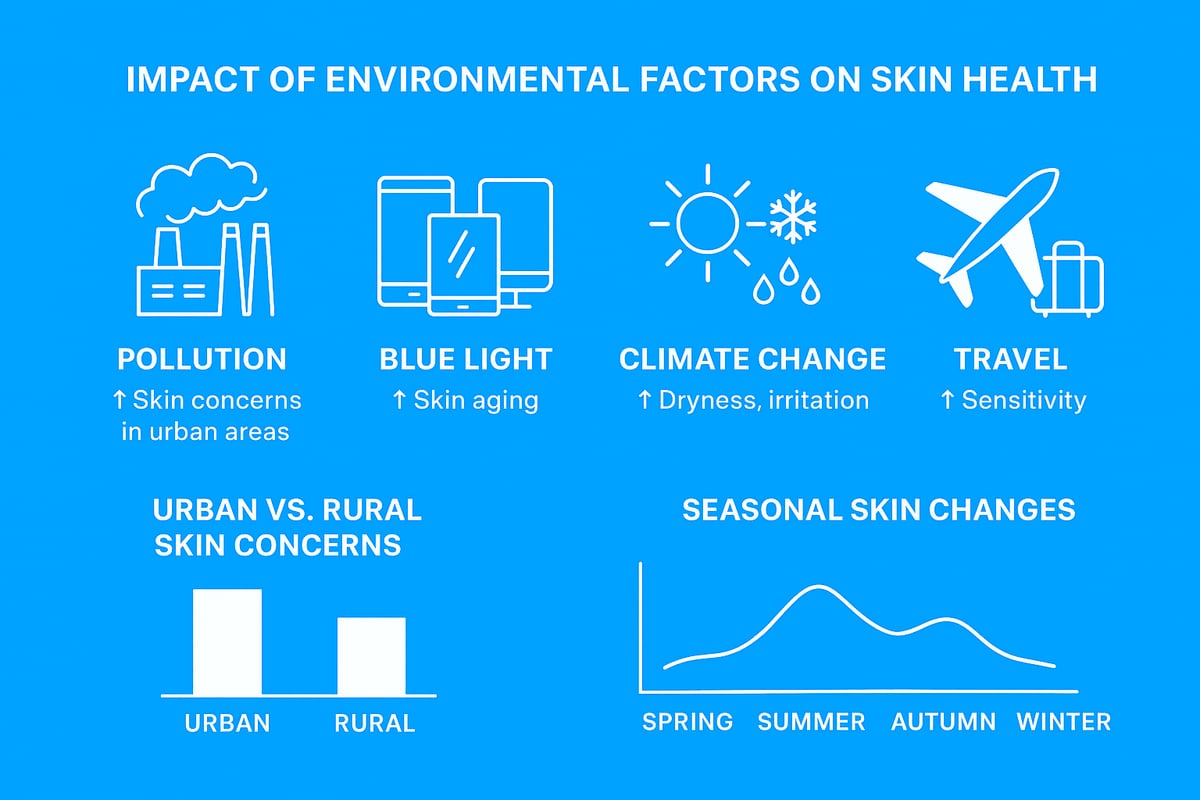
City environments expose your skin to higher levels of pollutants, which can trigger oxidative stress and compromise skin health. Airborne toxins, particulate matter, and ground-level ozone have been linked to increased pigmentation, sensitivity, and even flare-ups of conditions like psoriasis. Recent studies, including those discussed in Pollution's impact on psoriasis, highlight the growing need for protective routines in urban settings.
Protective strategies include using antioxidant-rich skincare, thorough cleansing, and barrier creams. Data show that urban dwellers are more likely to experience premature aging and dullness, making daily defense a priority for optimal skin health.
Blue Light and Digital Exposure
The rise in digital device use means your skin faces new challenges from blue light exposure. Blue light, emitted by smartphones, tablets, and computer screens, penetrates deeply and has been shown to accelerate skin aging and contribute to pigmentation issues. Research links prolonged exposure to increased free radical damage, which compromises skin health over time.
To combat these effects, incorporate blue light-blocking skincare ingredients, such as niacinamide and antioxidants, and consider applying physical screen filters. By making these adjustments, you can better preserve skin health in the digital age.
Seasonal Changes and Skin Adaptation
Shifting seasons bring changes in humidity and temperature that directly impact skin health. During winter, low humidity and cold winds can strip moisture, leading to dryness and flare-ups of eczema. In contrast, summer heat and increased UV exposure may cause excess oil production and sensitivity.
Adapting your skincare routine seasonally is crucial. Use richer moisturizers in winter and lighter, non-comedogenic products in summer. This targeted approach helps maintain balanced skin health, regardless of climate shifts.
Travel, Air Quality, and Lifestyle Factors
Frequent travel and exposure to varying air quality can disrupt skin health. Air-conditioned environments, long flights, and changing climates often leave skin dehydrated and stressed. Quick adaptations, like packing travel-sized skincare essentials, using hydrating facial mists, and boosting water intake, can make a significant difference.
Staying mindful of these factors and tailoring your routine to your environment supports lasting skin health. For those experiencing persistent issues, resources like Addressing common skin concerns offer practical guidance tailored to your needs.
The Future of Skin Health: Trends and Innovations
As we look to the future, skin health is being transformed by rapid innovation, scientific discovery, and growing consumer consciousness. Staying ahead means understanding the latest trends, from advanced ingredients to holistic approaches and a strong focus on sustainability. Let us explore the breakthroughs shaping the next era of skin health.
Emerging Ingredients and Technologies
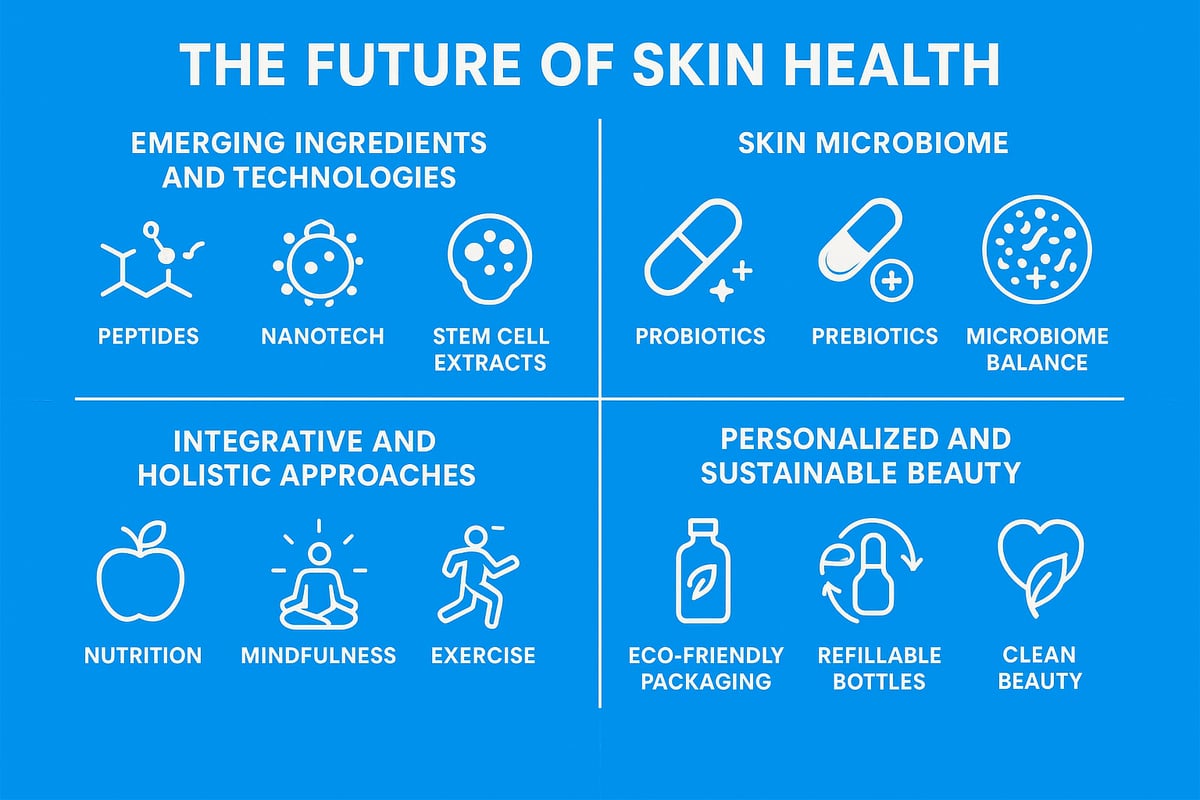
Cutting-edge research is introducing a new generation of ingredients that promise to revolutionize skin health. Peptides and growth factors are leading the way, supporting collagen synthesis and skin renewal. Stem cell extracts are being studied for their potential to enhance regeneration and resilience.
Advancements in delivery systems, such as encapsulation and nanotechnology, are improving the penetration and efficacy of active ingredients. Transdermal patches are gaining popularity for targeted treatment and sustained release.
Artificial intelligence is also making waves. AI-driven skin hydration assessment methods are changing how individuals monitor their skin health, offering personalized recommendations based on real-time data from simple selfie images. This fusion of technology and science is redefining what is possible for skin health.
The Role of the Skin Microbiome
The skin microbiome, a complex ecosystem of beneficial microorganisms, is now recognized as essential for balanced skin health. Research shows that a diverse microbiome helps regulate inflammation, protects the barrier, and reduces the risk of concerns like acne and eczema.
Probiotic and prebiotic skincare products are trending, aiming to nourish and support this delicate balance. By fostering a healthy microbiome, these formulations contribute to improved texture, resilience, and overall skin health.
Recent studies link greater microbiome diversity with reduced skin sensitivity and fewer flare-ups. As understanding deepens, expect to see more products designed to harmonize with your unique microbial environment.
Integrative and Holistic Approaches
The future of skin health is increasingly holistic, blending nutrition, lifestyle, and innovative topical care. Integrative dermatology embraces the synergy between whole-body wellness and targeted skincare solutions.
Diet plays a pivotal role. Nutrients from antioxidant-rich foods, combined with mindful practices like stress management and exercise, have a measurable impact on skin health. Case studies highlight the benefits of combining dietary changes, improved sleep, and gentle skincare routines for optimal results.
This integrative mindset empowers individuals to address the root causes of skin issues instead of simply treating symptoms. The movement towards personalized, holistic care is set to redefine the pursuit of healthy skin.
Personalized and Sustainable Beauty
Personalized beauty is no longer a trend, it is the new standard in skin health. AI-driven diagnostics and custom formulations ensure that every regimen is tailored to individual needs, maximizing results and minimizing irritation.
Sustainability is equally vital. Brands are innovating with eco-friendly, refillable, and zero-waste packaging to meet rising consumer demand. The rise of clean and conscious beauty trends reflects a commitment to transparency, ethical sourcing, and environmental responsibility.
Today’s consumers expect both personalization and sustainability, and leading brands are responding with solutions that are as good for the planet as they are for your skin health.
As you look ahead to achieving healthier, more radiant skin in 2025, remember that real results come from combining science-backed habits with powerful, targeted solutions. The expert tips we've explored—from sun protection to personalized routines—set a strong foundation, but choosing the right products makes all the difference. If you're ready to take your skincare further, consider our blemish kit, crafted with potent Manuka oil and Palmarosa oil to help you tackle blemishes and support your skin’s natural resilience. You deserve to feel your best—start your journey to clearer, stronger skin and Buy now.