

10 Proven Tips to Reduce Fine Lines Wrinkles in 2025
Aging skin is a universal concern, and in 2025, the demand for effective solutions to maintain a youthful complexion has never been greater. As new research and innovative treatments emerge, people everywhere are searching for ways to minimize fine lines wrinkles and achieve smoother, healthier skin.
This article reveals 10 proven, science-backed tips that target both fine lines and deeper wrinkles. From daily skincare routines to advanced treatments, these actionable strategies are designed to deliver visible results. Ready to rejuvenate your appearance? Discover how a few expert-recommended changes can transform your skin starting today.
Understanding Fine Lines and Wrinkles in 2025
Fine lines wrinkles are among the earliest visible signs of aging, but they are not the same thing. Fine lines appear as shallow, delicate creases often seen around the eyes and mouth. Wrinkles are deeper folds that form as skin loses its structural support over time. While both are part of the natural aging process, understanding their differences helps target them more effectively.
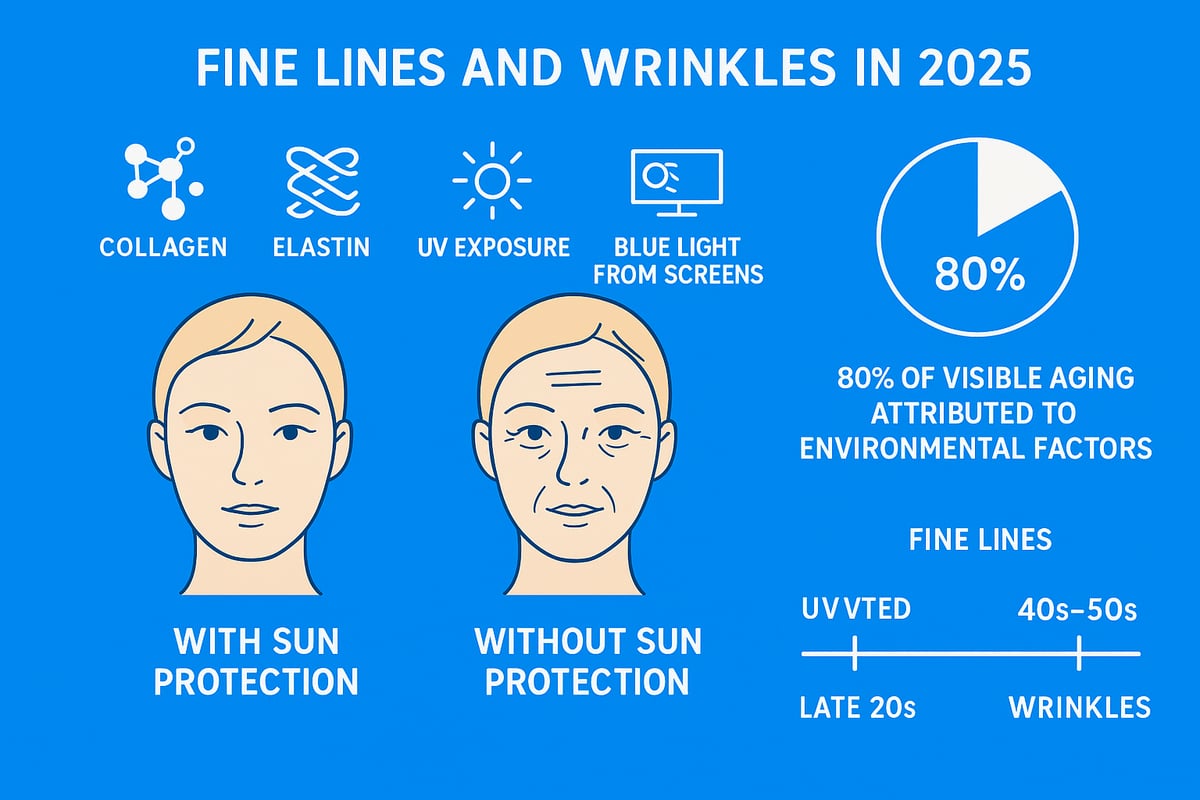
The skin’s aging process is driven by a gradual breakdown of collagen and elastin, the proteins responsible for firmness and elasticity. Genetics and hormonal changes play a significant role. However, external factors like UV exposure, pollution, and daily habits now contribute to up to 80% of visible aging. According to recent studies, most people start to notice fine lines wrinkles in their late 20s, with deeper wrinkles forming as they approach their 40s and 50s.
Modern lifestyles in 2025 introduce new challenges for skin health. Increased screen time means prolonged exposure to blue light, which can accelerate oxidative stress and contribute to fine lines wrinkles. Urban pollution adds to the burden, weakening the skin barrier and speeding up aging. Wrinkles form in two main ways: dynamic wrinkles develop from repeated facial expressions, while static wrinkles result from gravity and the natural loss of skin volume over time.
Experts emphasize that early intervention is crucial for minimizing fine lines wrinkles. Studies show that consistent sun protection, for example, leads to significantly fewer and shallower wrinkles compared to those who skip sunscreen. New research and Clinical Tests and Dermatology Insights confirm that a proactive, science-backed approach can slow visible aging and improve long-term skin health.
10 Proven Tips to Reduce Fine Lines and Wrinkles in 2025
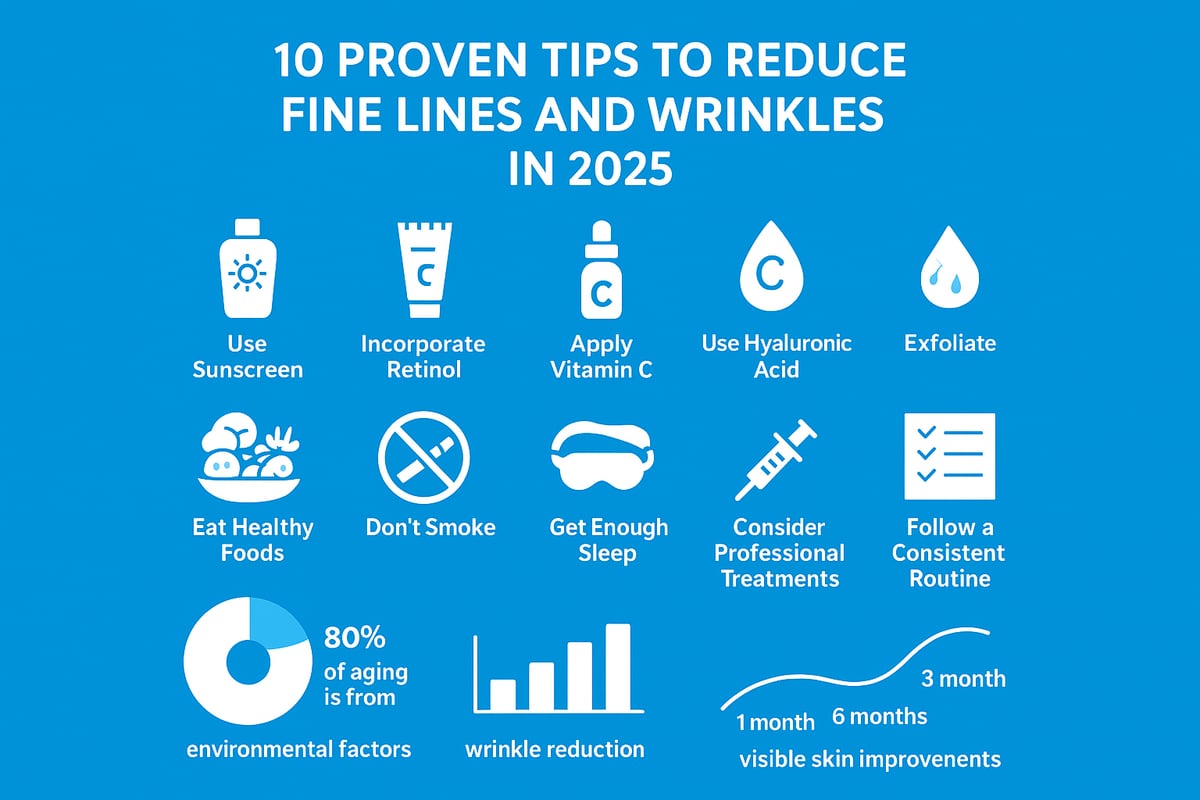
Achieving smoother, younger-looking skin in 2025 is within reach for everyone. The following 10 tips combine cutting-edge science with practical wisdom, offering proven ways to minimize fine lines wrinkles. Consistency and a holistic approach are vital for lasting results. Each tip below is supported by dermatological research and real-world success.
1. Prioritize Daily Broad-Spectrum Sunscreen Use
Sun protection remains the cornerstone of any anti-aging strategy. Up to 80% of facial aging, including fine lines wrinkles, is attributed to UV exposure. In 2025, experts recommend applying a broad-spectrum sunscreen with SPF 30+ every morning, regardless of weather or time spent indoors.
Mineral sunscreens containing zinc oxide or titanium dioxide are ideal for sensitive skin. Apply generously to the face, neck, chest, and hands. Reapplication every two hours is essential when outside. Do not forget areas like ears and the back of your hands.
Studies reveal that daily sunscreen use can reduce visible signs of aging by 24% over four years. Contrary to common myths, protection is necessary even on cloudy days and when indoors, as UVA rays and blue light penetrate windows. For comprehensive defense, pair sunscreen with wide-brimmed hats, sunglasses, and sun-protective clothing.
Proper technique ensures optimal results: dot sunscreen on key areas, blend evenly, and use enough product to cover all exposed skin. This daily habit is a powerful shield against fine lines wrinkles caused by the sun.
2. Integrate Retinoids or Retinol into Your Nightly Routine
Retinoids, derived from vitamin A, are among the most researched ingredients for reducing fine lines wrinkles. They stimulate collagen production, accelerate cell turnover, and visibly smooth skin texture.
Begin with over-the-counter retinol if you are new to this ingredient. As your skin adapts, a dermatologist may recommend prescription-strength retinoids for enhanced results. Apply retinoids at night to avoid increased sun sensitivity and always use sunscreen during the day.
Start every other night to minimize dryness or peeling, then gradually increase frequency as tolerated. Clinical studies show that 12 weeks of consistent use can significantly reduce wrinkle depth and improve skin firmness.
Many individuals experience mild irritation at first. To ease this, apply moisturizer after retinoid application or choose a gentle, encapsulated formula. Retinoids are suitable for most skin types, including mature and acne-prone skin.
For those seeking the latest recommendations, explore Top Anti-Aging Products Recommended by Dermatologists in 2025 for expert-approved options containing retinoids and other key ingredients proven to target fine lines wrinkles.
3. Use Antioxidant-Rich Serums and Creams
Antioxidants are your skin’s natural defenders, neutralizing free radicals from UV rays and pollution that accelerate fine lines wrinkles. Look for serums containing vitamin C, vitamin E, ferulic acid, and niacinamide. These ingredients help preserve collagen, brighten tone, and repair daily damage.
Apply antioxidant serums every morning, layering them under sunscreen for synergistic protection. In 2025, stabilized formulas and innovative packaging ensure maximum potency and shelf-life.
Clinical trials have demonstrated that topical vitamin C can reduce wrinkle depth by up to 20%. For best results, store products away from light and heat, and use within their recommended period after opening.
Emerging antioxidants like resveratrol and green tea extract are gaining popularity for their additional anti-inflammatory and protective effects. Rotate or combine antioxidants to address evolving skin needs and target fine lines wrinkles from multiple angles.
4. Maintain Consistent Moisturization with Hyaluronic Acid
Hydration is critical for plumping the skin and minimizing the look of fine lines wrinkles. Hyaluronic acid is a standout ingredient, capable of retaining up to 1000 times its weight in water, effectively smoothing and firming the complexion.
Select moisturizers that combine hyaluronic acid with ceramides and glycerin, which further reinforce the skin barrier. Apply moisturizer on damp skin after cleansing to lock in moisture.
Users often notice improved elasticity and reduced fine lines wrinkles within two weeks of consistent use. Night creams with peptides support overnight renewal and can amplify results.
Adjust your moisturizer seasonally: opt for lighter gels in humid months and richer creams during colder weather. This adaptability ensures your skin remains hydrated and resilient against environmental stressors all year.
5. Exfoliate Regularly with Gentle Chemical Exfoliants
Regular exfoliation accelerates cell turnover, fades fine lines wrinkles, and refines skin texture. Chemical exfoliants such as AHAs (glycolic and lactic acid) and BHAs (salicylic acid) dissolve dead skin cells without causing microtears.
Use chemical exfoliants one to three times per week, depending on your skin’s sensitivity. Avoid harsh physical scrubs, which can trigger irritation and inflammation.
Eight-week studies on glycolic acid show measurable improvements in smoothness and wrinkle reduction. For sensitive skin, enzyme-based exfoliants are a gentle alternative gaining traction in 2025.
Always follow exfoliation with moisturizer and sunscreen, as newly revealed skin is more susceptible to UV damage. Combining exfoliation with hydration enhances the reduction of fine lines wrinkles.
6. Support Skin from Within: Nutrition and Hydration
What you eat and drink directly impacts the health of your skin, including the formation of fine lines wrinkles. Diets rich in antioxidants, omega-3 fatty acids, and vitamins A, C, and E foster collagen production and combat oxidative stress.
Prioritize whole foods such as leafy greens, berries, fatty fish, and citrus. Adequate hydration flushes toxins and helps maintain skin suppleness. Limit processed foods, sugar, and alcohol, as these accelerate collagen breakdown.
Research links the Mediterranean diet to fewer wrinkles and greater skin elasticity. Collagen-boosting foods like bone broth and eggs are also beneficial. Supplements, such as collagen peptides or vitamin C, may help if dietary intake is insufficient.
For further insights into the connection between lifestyle choices and skin aging, read Beyond Skin Deep: Inner Radiance, which explores how nutrition and other habits affect fine lines wrinkles from the inside out.
7. Avoid Smoking and Limit Alcohol Consumption
Smoking is one of the most damaging habits for skin, reducing collagen synthesis and constricting blood flow. Both active and secondhand smoke contribute to premature fine lines wrinkles, often making smokers appear older than their peers.
Alcohol dehydrates the skin and impairs its natural repair processes. Studies consistently show that smokers have three times more wrinkles than non-smokers of the same age.
Quitting smoking and reducing alcohol intake can yield visible improvements within months. Support resources, such as counseling or nicotine replacement therapies, are widely available.
To stay motivated, track your progress and notice the positive changes in your complexion. Avoiding these harmful habits is a significant step toward minimizing fine lines wrinkles and preserving youthful skin.
8. Optimize Sleep and Manage Stress for Skin Repair
Quality sleep is essential for cellular repair and collagen synthesis. Chronic sleep deprivation and unmanaged stress both accelerate the development of fine lines wrinkles.
Aim for seven to nine hours of restful sleep each night. Establish a relaxing bedtime routine, such as reading or meditative breathing, to improve sleep quality. Chronic stress elevates cortisol levels, which can trigger inflammation and breakdown of skin structure.
Poor sleepers often show more pronounced fine lines wrinkles and uneven pigmentation. Techniques like yoga, mindfulness meditation, and deep breathing can help lower stress and support skin health.
Consider using silk pillowcases to reduce friction and sleep lines. In 2025, sleep tracking apps and devices are popular tools for monitoring rest and optimizing routines to support skin rejuvenation.
9. Consider Professional Treatments for Advanced Results
For more noticeable or stubborn fine lines wrinkles, professional treatments offer targeted solutions. Options include Botox for dynamic wrinkles, dermal fillers to restore lost volume, microneedling for collagen stimulation, and laser resurfacing to improve texture and tone.
Botox and fillers can reduce visible wrinkles by 30 to 50% in treated areas, according to recent studies. Microneedling and chemical peels enhance skin renewal and smoothness.
When considering these treatments, prioritize safety by choosing a board-certified dermatologist or licensed provider. Ask about downtime, risks, and personalized protocols, as advancements in 2025 have made many procedures more accessible and non-invasive.
Combining in-office treatments with a solid at-home routine maximizes results and helps maintain improvements in fine lines wrinkles over time.
10. Build a Personalized, Consistent Skincare Routine
Consistency is crucial in reducing fine lines wrinkles. Results depend on daily, ongoing use of proven products and healthy habits tailored to your unique skin type and concerns.
A basic routine should include gentle cleansing, targeted treatments (such as retinoids or antioxidants), moisturization, and sun protection. Consult a dermatologist for individualized recommendations, especially if you have complex needs or want to track progress.
Research shows that individuals who maintain regular skincare routines report higher satisfaction and better long-term skin health. Adjust products seasonally or as your skin’s needs change.
Remember, patience is key. It may take several weeks or months to notice visible improvements in fine lines wrinkles. Stay committed and celebrate small milestones along the way.
Frequently Asked Questions About Fine Lines and Wrinkles
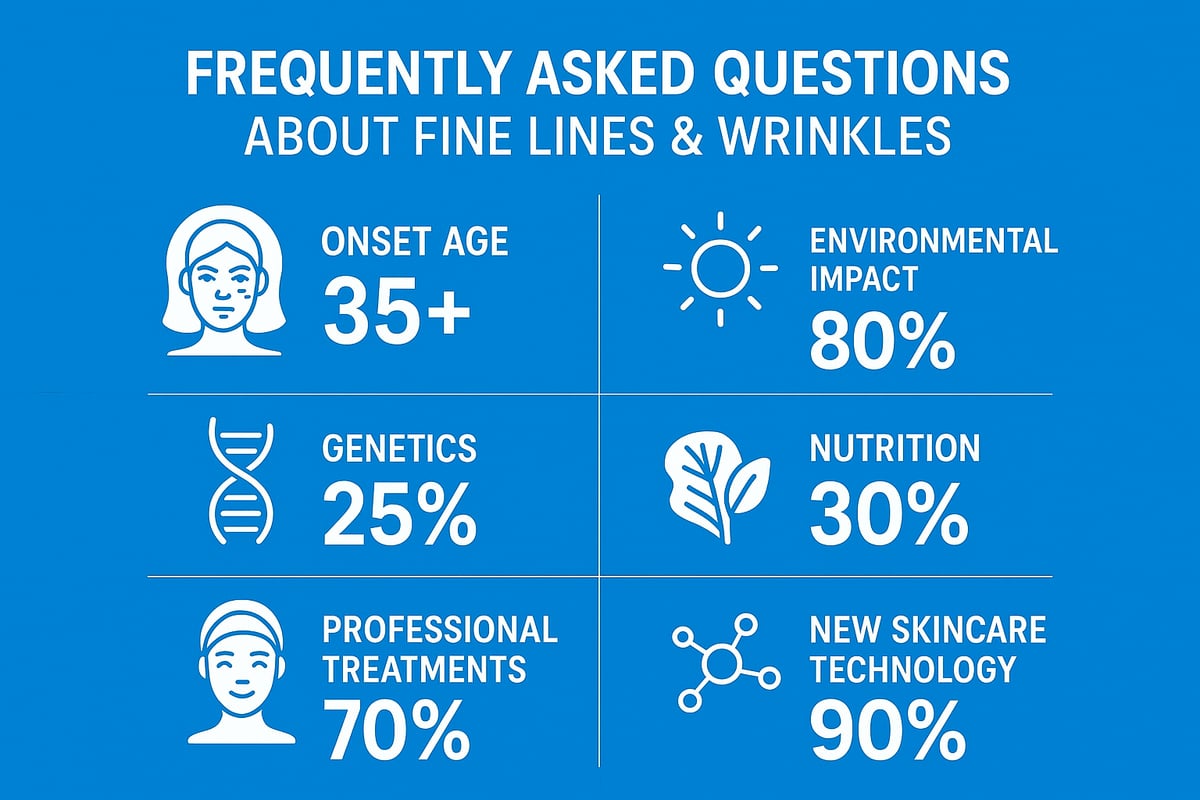
Fine lines wrinkles are a universal skin concern, and readers often seek clear answers to their most pressing questions. Below, we address the most common queries to help you make informed decisions about your anti-aging routine in 2025.
Are fine lines wrinkles permanent, or can they be reversed?
Fine lines wrinkles can be softened and reduced, but complete reversal is rare without advanced interventions. Early prevention and consistent care are key. Topical treatments, lifestyle changes, and in-office procedures can improve their appearance, but deep static wrinkles may persist.
At what age do most people start noticing wrinkles?
Most people notice fine lines wrinkles beginning in their late 20s. Deeper wrinkles tend to develop in the 40s and 50s, especially without regular sun protection or skincare.
Can you reduce wrinkles without professional treatments?
Yes, a diligent at-home routine can yield visible improvements in fine lines wrinkles. Consistent use of sunscreen, retinoids, antioxidants, and moisturizers is effective. For more on holistic strategies, see Skin Health Essentials.
What role do genetics play compared to lifestyle and environment?
Genetics determine your baseline skin type and aging tendency, but studies show that up to 80 percent of visible aging is influenced by environmental and lifestyle factors. Sun exposure, pollution, and habits like smoking have a major impact on fine lines wrinkles.
How long does it take to see results from anti-aging routines?
Most evidence-based routines show visible changes in fine lines wrinkles within 8 to 12 weeks. Patience and consistency are essential, as improvements build over time.
Are there new technologies or ingredients for wrinkle reduction in 2025?
Yes, 2025 has brought innovations like personalized skincare actives and precise at-home devices. For example, the In-Vivo Skin 3-D Surface Reconstruction Study highlights a device that accurately measures wrinkle depth and treatment progress for fine lines wrinkles.
Should men follow the same anti-wrinkle tips as women?
Both men and women benefit from similar anti-aging routines. However, men may need to adjust product textures or ingredients based on thicker, oilier skin.
Are over-the-counter products as effective as prescription options?
Some OTC products with high-quality actives can improve fine lines wrinkles, but prescription formulas often deliver faster or more dramatic results. Consult a dermatologist for guidance, especially for persistent or deep wrinkles.
As you’ve seen throughout these 10 proven tips, consistent care and the right ingredients can make a real difference in reducing fine lines and wrinkles—even in 2025’s demanding environment. If you’re ready to put expert advice into action, consider elevating your routine with a blemish kit powered by Manuka oil and Palmarosa oil—ingredients backed by science for visible results. Taking the next step toward smoother, healthier skin is simple. You deserve a regimen that works as hard as you do every day. Explore your options and Buy now for a more youthful, confident you.