

Green Cosmetics: The Future of Sustainable Beauty
The beauty industry stands at a transformative crossroads where consumer consciousness meets environmental responsibility. Green cosmetics represent more than a passing trend; they embody a fundamental shift in how we approach personal care, blending efficacy with sustainability. As awareness grows regarding the environmental impact of conventional beauty products, consumers increasingly demand formulations that deliver results without compromising planetary health. This evolution has sparked innovation across ingredient sourcing, manufacturing processes, and packaging solutions, creating a new standard for what cosmetics should achieve in 2026.
Understanding the Green Cosmetics Movement
Green cosmetics encompass products formulated with naturally derived, sustainably sourced ingredients that minimize environmental impact throughout their lifecycle. This definition extends beyond simply using plant extracts; it requires a holistic approach to product development, manufacturing, and distribution.
The foundation of green cosmetics rests on several core principles that distinguish them from conventional alternatives. These products prioritize renewable resources, avoid harmful synthetic chemicals, utilize biodegradable ingredients, and embrace transparent supply chains. The American Cosmetic Association outlines the criteria for Green Certification, emphasizing eco-friendly ingredients, sustainable packaging, and ethical business practices.
Key Components of Green Beauty Products
Natural and Organic Ingredients: Green cosmetics feature botanical extracts, plant oils, and minerals harvested through sustainable methods. These ingredients offer therapeutic benefits while maintaining ecological balance.
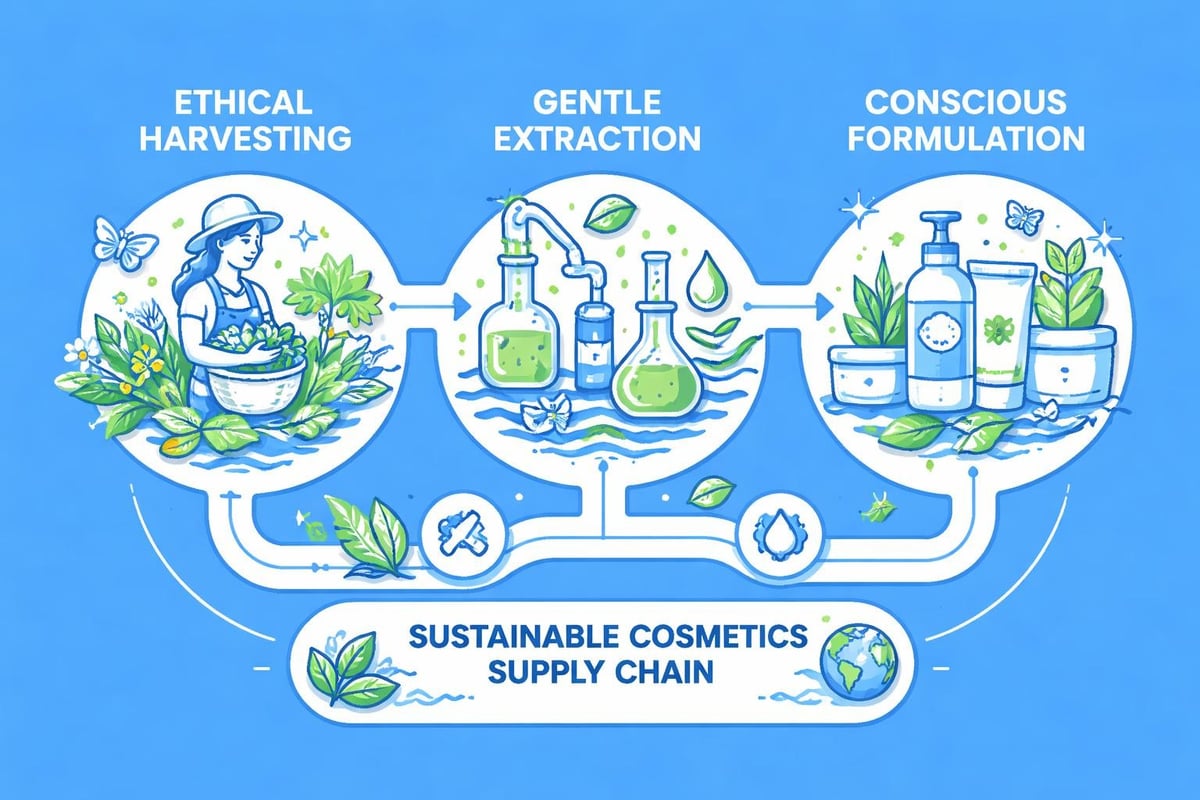
Sustainable Sourcing: Ethical harvesting practices ensure ingredient availability for future generations. This includes fair trade agreements, biodiversity protection, and community support in sourcing regions.
Clean Formulations: Products exclude parabens, phthalates, synthetic fragrances, and other potentially harmful chemicals. This approach prioritizes both skin health and environmental safety.
Market Growth and Consumer Behavior Patterns
The green cosmetics sector has experienced remarkable expansion, driven by shifting consumer priorities and environmental awareness. Market research projects the global green cosmetic products market to reach $56.5 billion by 2030, reflecting substantial year-over-year growth as sustainability becomes mainstream.
Consumer behavior analysis reveals that environmental concern, health consciousness, and ethical considerations drive purchasing decisions in the green cosmetics market. Younger demographics particularly prioritize brands demonstrating authentic commitment to sustainability rather than superficial green marketing.
| Consumer Segment | Primary Motivation | Purchasing Priority |
|---|---|---|
| Millennials | Environmental impact | Ingredient transparency |
| Gen Z | Social responsibility | Brand authenticity |
| Gen X | Health concerns | Product efficacy |
| Baby Boomers | Quality ingredients | Proven results |
The purchasing journey for green cosmetics differs significantly from conventional products. Consumers invest time researching ingredient lists, certifications, and brand practices before committing to purchases. This educated approach has elevated industry standards, compelling brands to provide detailed information about sourcing, manufacturing, and environmental impact.
The Role of Certification and Transparency
Third-party certifications provide crucial validation for green cosmetics claims. Organizations establish rigorous standards for ingredient sourcing, manufacturing processes, and packaging materials. Certification frameworks ensure product sustainability and consumer trust, creating accountability within the industry.
Brands embracing transparency build stronger customer relationships. This includes publishing complete ingredient lists, sharing sourcing locations, and disclosing environmental impact assessments. For specialized products like acne treatments, transparency becomes particularly important as consumers seek effective solutions without harsh chemicals.
Scientific Innovation in Green Formulations
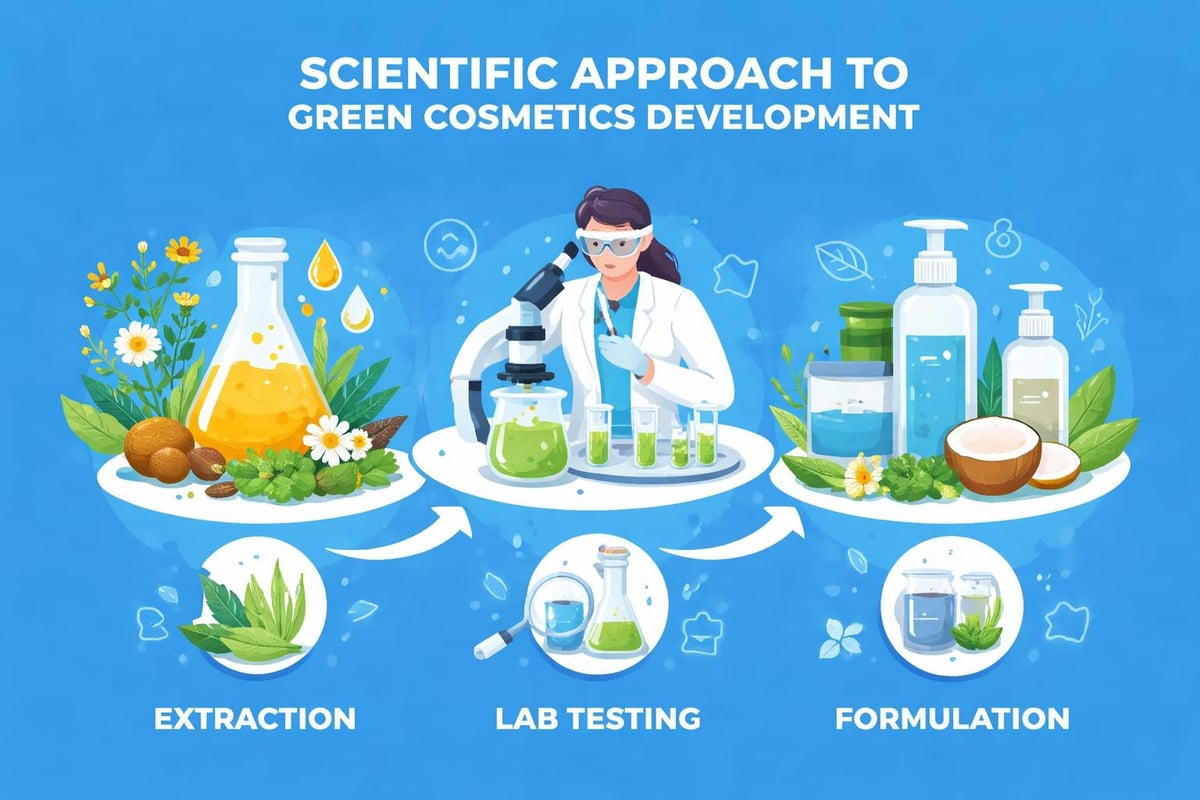
The perception that green cosmetics sacrifice efficacy for sustainability has been thoroughly debunked through scientific advancement. Modern formulation techniques extract and preserve active compounds from natural sources, delivering concentrated benefits that rival or exceed synthetic alternatives.
Botanical Active Compounds
Plants produce sophisticated chemical compounds for protection, healing, and adaptation. These phytochemicals offer remarkable benefits when properly extracted and formulated:
- Triketones: These compounds demonstrate powerful antimicrobial properties while remaining gentle on skin
- Essential Oils: Concentrated plant essences provide therapeutic effects beyond fragrance
- Antioxidants: Natural polyphenols and vitamins protect against environmental damage
- Enzymes: Plant-derived enzymes facilitate gentle exfoliation and cellular renewal
The combination of multiple botanical actives creates synergistic effects, where ingredients enhance each other's performance. For instance, combining natural oils with specific active compounds can amplify antimicrobial effects while maintaining skin barrier integrity.
Addressing Specific Skin Concerns Naturally
Green cosmetics have evolved to target specific skin conditions with precision. Adult acne presents unique challenges that require sophisticated formulations balancing antibacterial action with hydration and healing.
Natural ingredients from regions like New Zealand offer exceptional properties due to unique environmental conditions. Manuka plants, for example, develop potent antimicrobial compounds as adaptations to their ecosystem. These ingredients provide alternatives to harsh chemical treatments while delivering measurable results.
Environmental Impact and Sustainability Challenges
While green cosmetics aim to minimize environmental harm, the industry faces complex challenges requiring ongoing attention and innovation. Environmental assessments reveal that even eco-friendly alternatives can present sustainability concerns without proper management.
Overharvesting Risks: Popular natural ingredients face demand pressures that can threaten wild populations. Sustainable sourcing requires cultivation programs, harvest rotation, and biodiversity monitoring.
Processing Energy: Extracting and concentrating natural compounds requires energy. Green brands must balance extraction efficiency with renewable energy use and carbon footprint reduction.
Packaging Considerations: Biodegradable packaging materials must protect product integrity while decomposing safely. This requires innovative material science and thoughtful design.
Research into ecotoxicological scoring systems aims to quantify environmental impact across the product lifecycle, providing consumers with standardized metrics for comparison.
Greenwashing: Identifying Authentic Green Cosmetics
The popularity of green cosmetics has unfortunately spawned misleading marketing practices. Greenwashing occurs when brands exaggerate environmental benefits or use vague sustainability claims without substantiation.
Consumers can identify authentic green cosmetics through several verification methods:
- Third-party Certifications: Look for recognized environmental and organic certifications
- Complete Ingredient Disclosure: Genuine brands provide full ingredient lists with sourcing information
- Specific Claims: Authentic products make precise statements with supporting evidence
- Supply Chain Transparency: Legitimate brands share sourcing practices and supplier relationships
- Environmental Reports: Companies committed to sustainability publish regular impact assessments
The Future of Green Cosmetics Innovation
The trajectory of green cosmetics points toward increasingly sophisticated formulations leveraging biotechnology, fermentation science, and precision agriculture. These advances promise enhanced efficacy while reducing environmental impact.
Emerging Technologies and Practices
Biotechnology: Cellular agriculture and precision fermentation enable production of active compounds without harvesting wild plants. This technology can replicate beneficial plant chemicals while eliminating overharvesting concerns.
Waterless Formulations: Concentrated products reduce water usage, shipping weight, and packaging requirements. Consumers add water during use, minimizing waste.
Circular Packaging: Refillable containers and take-back programs create closed-loop systems where materials continuously circulate rather than ending in landfills.
| Innovation Area | Environmental Benefit | Consumer Advantage |
|---|---|---|
| Biotechnology | Eliminates overharvesting | Consistent potency |
| Waterless Products | Reduces transportation emissions | Higher concentration |
| Refill Systems | Minimizes packaging waste | Cost savings |
| Local Sourcing | Decreases carbon footprint | Fresher ingredients |
The integration of science-based approaches with natural ingredients represents the optimal path forward, combining traditional botanical knowledge with modern research methodologies.
Implementing Green Cosmetics in Personal Care Routines
Transitioning to green cosmetics requires thoughtful selection aligned with individual skin needs and environmental values. Research on perceived value and ethical concern shows that consumers maintain loyalty to green products when they deliver both ethical satisfaction and functional performance.
Building an Effective Green Beauty Routine
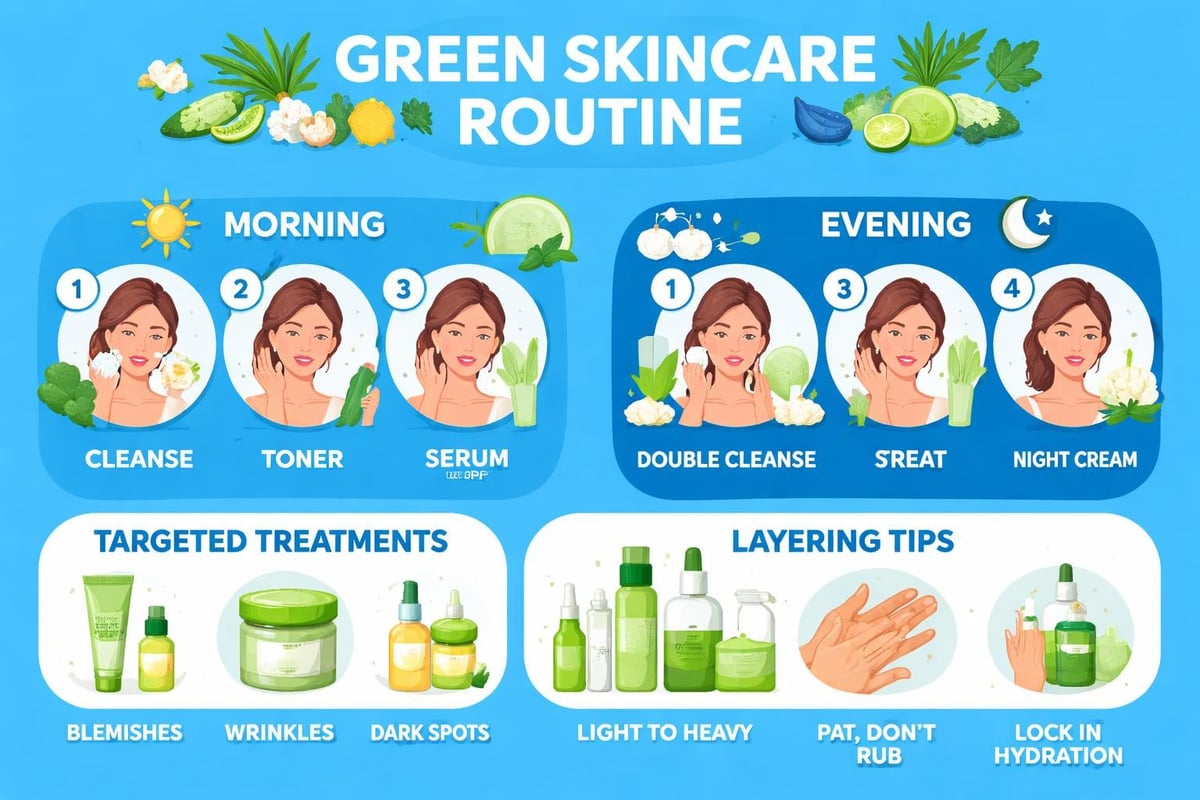
Start with fundamental products addressing primary skin concerns before expanding to specialized treatments. This approach ensures each product serves a clear purpose while minimizing unnecessary consumption.
Step 1: Assess Your Needs: Identify specific skin concerns requiring attention, whether acne, aging, sensitivity, or hydration.
Step 2: Research Ingredients: Understand which natural actives address your concerns effectively. For blemish-prone skin, antimicrobial botanicals offer gentle yet powerful solutions.
Step 3: Verify Certifications: Check for legitimate green certifications and transparent ingredient sourcing before purchasing.
Step 4: Patch Test: Even natural ingredients can cause reactions. Always test new products on a small skin area first.
Step 5: Monitor Results: Track improvements over consistent use periods, typically 4-6 weeks for visible changes.
Specialized Solutions for Problem Skin
Problem skin conditions demand particularly careful product selection. Harsh chemicals may provide quick results but often disrupt skin barrier function, creating dependency cycles. Green cosmetics offer alternatives that work with skin's natural processes.
For those dealing with persistent blemishes, formulations combining multiple botanical actives can deliver comprehensive treatment. A super potent blemish kit incorporating triketones from Manuka oil alongside complementary essential oils provides multi-faceted action against acne-causing bacteria while supporting skin healing.
Professional Perspectives on Green Cosmetics
Dermatologists and skincare professionals increasingly recognize the therapeutic potential of properly formulated green cosmetics. Clinical testing demonstrates that natural actives can match or exceed synthetic alternatives when extracted and combined using scientific methods.
Professional-grade green cosmetics undergo rigorous testing protocols validating safety and efficacy. Clinical testing standards ensure products meet medical-grade performance criteria while maintaining natural ingredient profiles.
The professional beauty industry has embraced green cosmetics not merely for environmental reasons but because results speak for themselves. When formulations combine potent natural actives with sophisticated delivery systems, they achieve clinical outcomes previously associated only with conventional treatments.
Educating Consumers on Green Beauty
Professional education plays a vital role in green cosmetics adoption. Skincare specialists help clients understand:
- How natural ingredients function at cellular levels
- Expected timelines for visible improvements
- Proper application techniques maximizing absorption
- Complementary lifestyle factors supporting skin health
- Distinguishing marketing claims from scientific evidence
This educational foundation empowers consumers to make informed decisions aligned with both skin health and environmental values, creating sustainable beauty practices that extend beyond product selection to encompass holistic wellness approaches.
Green cosmetics represent the convergence of scientific innovation, environmental responsibility, and effective skincare solutions. As consumers increasingly prioritize products delivering results without compromising planetary health, the industry continues evolving toward more sustainable practices and transparent operations. For those seeking powerful, naturally-derived solutions to specific skin concerns like persistent blemishes, Rejencia offers clinically-tested formulations harnessing the potent antimicrobial properties of New Zealand Manuka oil triketones combined with Palmarosa oil, delivering professional-grade results through nature's most effective compounds.